


Stormwater Compliance in Construction: Closing the Gap Between Plan & Dirt
Stormwater compliance is decided on the dirt, not in the file cabinet. How multi-site builders close the gap between plan and site under the CGP.





6 min read
Land banking depends on a recurring judgment call: when a builder requests capital against horizontal development milestones, the land bank has to determine whether site work is far enough along to justify the release.
That call may involve project updates, site walks, inspection reports, photos, and the working trust between the builder and capital partner. These inputs are useful, but they can still leave capital partners with an incomplete view of current site conditions.
The stakes are rising as land banking becomes a more visible part of homebuilding finance. John Burns Research and Consulting describes land banking as a strategic partnership between homebuilders and capital providers that shapes how lots are acquired, developed, and delivered.
Draw verification usually sits inside a broader land banking agreement. In a typical structure, the land bank holds title to the land, while the builder controls future lots through an option agreement and moves horizontal development forward.
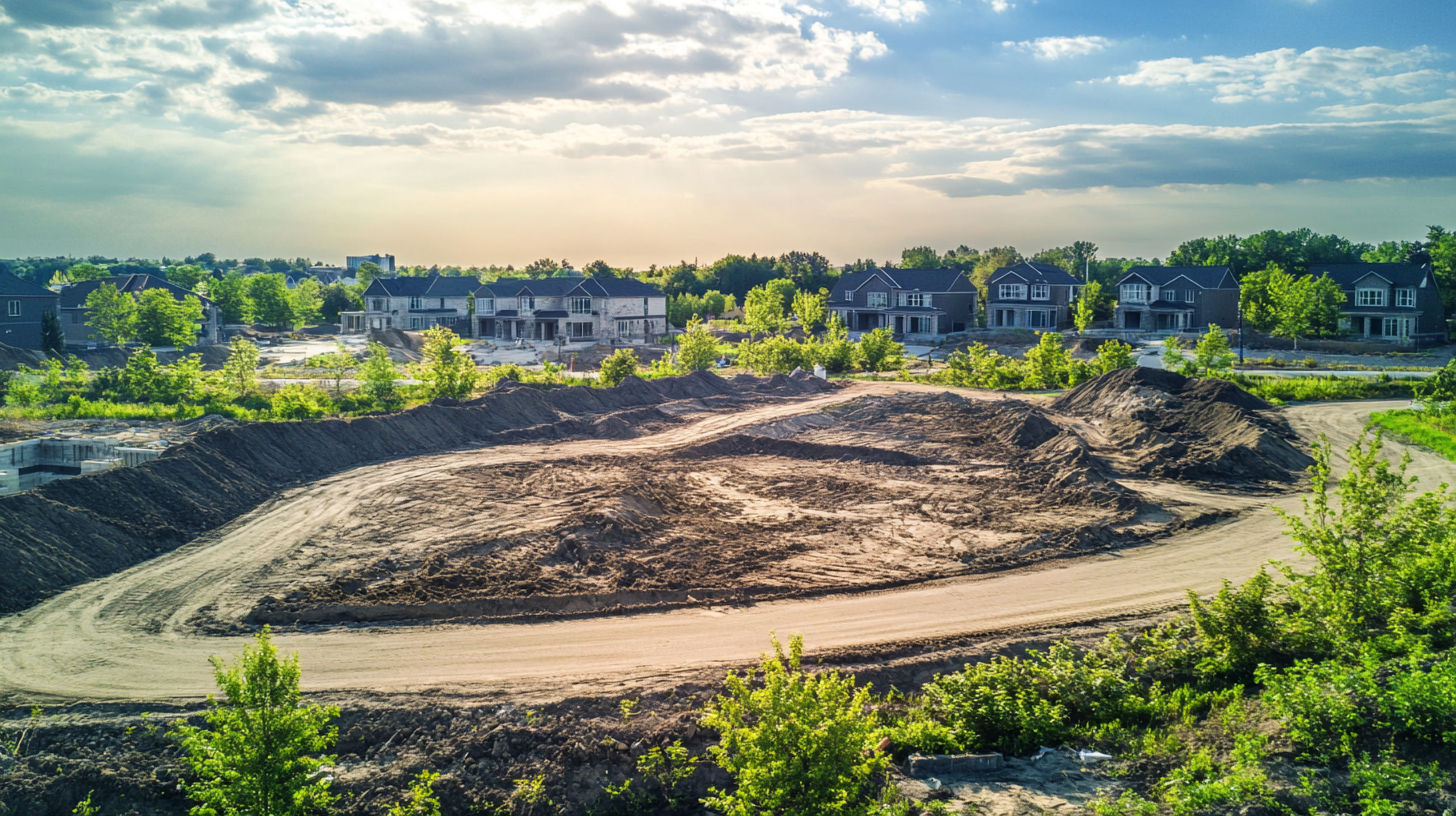
As grading, utilities, roads, and other site work progress, the builder submits funding requests monthly or at defined milestones. Before those releases begin, both sides typically align on development budgets, lot prices, project costs, and purchase timing.
At the milestone level, the question becomes more specific. If a builder requests $250,000 against completed grading in phase two, the land bank has to decide whether the reported progress supports that amount.
That review usually depends on a mix of builder updates, site observations, inspection reports, and project history. The challenge is that each source has limits, especially when projects are moving quickly or spread across multiple markets.
Builder updates are often the fastest source of information. A project manager may report that mass grading is complete, sewer mains are in, or a milestone has been reached, allowing the review to move forward.
The limitation is perspective. The party requesting capital is also one of the main sources of information about whether the work supports the request. Even strong project teams can report optimistically when schedules are tight, field conditions are changing, or several milestones are moving at once.
An asset manager can fly out, drive the site, and inspect the work in person. That creates a direct observation, but it still reflects one site at one point in time.
It also becomes difficult to scale across a larger portfolio. A land bank with positions across several metro areas cannot ground-walk every project every month. Even a careful site walk may not confirm whether the current grade matches the approved plan across a large phase.
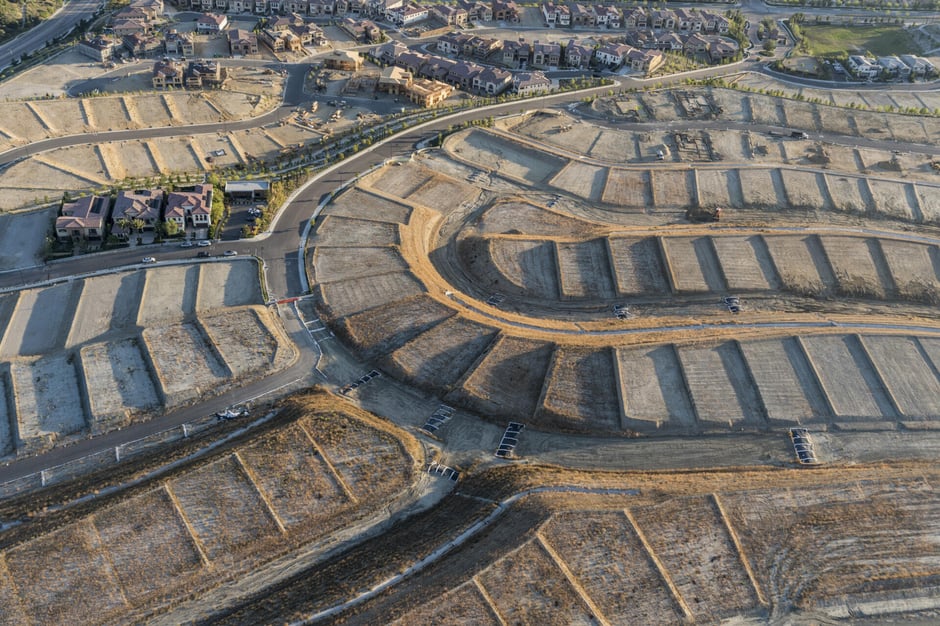
From the ground, it is possible to see activity. It is much harder to identify small yet significant deviations across 40 acres, the kind that can push a milestone timeline back by weeks once they're caught.
Third-party inspections can scale better than internal travel. An inspector can visit the site, take photos, and issue a recommendation.
The limitation is the format and consistency of the output. A digital file with ground-level photos and a checklist can show that work is happening, but it may not clearly show whether the work matches the plan, how much progress has changed since the last review, or whether the same standard is being applied across markets. Inspector quality can also vary by location, which makes portfolio-wide comparison harder.
The result is a practical compromise. Traditional verification methods can support release decisions, but they often leave land banks working from information that is useful, yet uneven.
Draw verification is easy to treat as an administrative step: a request comes in, supporting information is reviewed, and capital is released. But for land banks, the underlying question is financial, not procedural: does the site support the release, or is capital moving ahead of the work?
The failure modes are specific, not abstract, and each one traces to the same outcome: capital tied up in a project that can't deliver on schedule. A draw request that goes out before a milestone is actually complete means the land bank has paid for work that doesn't yet exist, cash it can't recover without a dispute.
A utility line installed off alignment, discovered only after it's buried, can mean redesign costs and delay that push a project past the point where its numbers still work. A schedule slip that looks minor on paper can, if the market turns before the builder exercises its option, leave the land bank holding lots nobody wants to buy, the project stalled and the capital stuck in it.
These are real events with real legal and financial consequences, not routine variance to be smoothed over in the next report.
Arroyo Capital, a land bank managing more than 7,000 lots across 22 markets, built its draw review process around exactly this concern: comparing builder draw documents against actual site conditions before releasing funds, rather than after.
It allows us to be proactive and identify problems before it's too late, said Jeff Brouellette, Principal at Arroyo Capital, describing how independently monitored site data lets his team catch schedule and grading issues before they turn into the kind of stalled position capital partners can't easily unwind.
On one project, those issues may be manageable. Across a portfolio spanning dozens of positions, they become harder to see, compare, and price, and each one compounds the next capital decision made on incomplete information.
Distance, reporting layers, and inconsistent site documentation in traditional monitoring make it difficult for capital partners to know what changed, when it changed, and whether current conditions match the plan, until the gap has already turned into a loss.
While it does not replace legal documents, project controls, or any required certifications, TraceAir's site intelligence gives land banks a more consistent way to review visible site progress across their portfolio.
Its role is narrower and practical: It gives capital partners a clear picture of the project, any issues that have come up, and where it stands against the timeline, comparing current conditions with prior records before capital is released.
Recurring TraceAir drone scans create a timestamped view of each active site. Instead of relying only on scattered photos, verbal updates, or one-off inspections, asset managers can review projects in a consistent format across markets.
That consistency matters when a land bank is managing several positions at once. A single update may explain what happened on one site. A recurring aerial record makes it easier to see what changed, when it changed, and whether visible progress appears to support the next funding request.
TraceAir value becomes clearer when project documents are layered onto the aerial data. Grading plans, lot lines, and utility alignments can be viewed against current site conditions, giving land banks a more practical way to compare reported progress with what is visible on the ground.
TraceAir also gives the review a stronger starting point. Instead of asking only whether a site appears active, the land bank can ask whether the visible work aligns with the plan behind the request.
Because the data is annotated and shareable in the TraceAir platform, land banks, builders, and contractors can review the same site record. That can make draw conversations more specific and less dependent on competing descriptions of field conditions.
The point is not to remove trust from the process. It is to give all parties a clearer reference point: a dated, visual record of the project that answers the basic questions on its own, freeing everyone to spend their time on the exceptions and next steps that actually need a conversation, rather than re-litigating what the current state of the site is.
Land banks hold a distinct position in the homebuilding supply chain: they control the capital that keeps development moving. But that position is only as strong as the site information behind each release decision.
As land banking becomes more institutional, draw verification cannot depend only on scattered updates, inspection packets, or one-off site checks. Capital partners need a consistent way to understand what changed on site, whether progress aligns with the plan, and whether a funding request is supported by current conditions.
TraceAir gives land banks that operating record: recurring scans across active sites, plans compared against current conditions, and a timestamped project history that builders, contractors, and capital partners can review from the same platform.
If your team is reviewing draw requests across multiple projects, request a demo to see how TraceAir helps compare reported progress against current aerial site data before funds are released.
Draw verification is the review land banks perform before releasing capital against a builder's funding request. It confirms that reported milestones, like completed grading or installed utilities, actually match the visible state of the site before funds go out.
Builder updates are useful, but they come from the party requesting the funds. Even well-run teams can report optimistically when several milestones are moving at once, which is why land banks typically pair updates with independent site observation before approving a release.
A site walk or inspection captures one point in time and doesn't scale well across dozens of positions. Recurring aerial scans create a timestamped, consistent record for every active project, so land banks can compare current conditions with prior records in the same format, market to market.
No. Aerial site intelligence supports that process, it doesn't replace legal documents, project controls, or required certifications. Its role is to give capital partners a clearer picture of visible site conditions ahead of the decisions those other processes still govern.
A draw released ahead of real site progress can mean paying for work that doesn't exist yet, absorbing redesign costs from a misaligned utility line, or, if a schedule slip runs into a market shift, ending up with a stalled project and capital that's hard to unwind.
Yes. Because the record is shared and annotated on one platform, land banks, builders, and contractors can review the same dated site view, making draw conversations more specific and less dependent on competing descriptions of field conditions.
Stormwater compliance is decided on the dirt, not in the file cabinet. How multi-site builders close the gap between plan and site under the CGP.
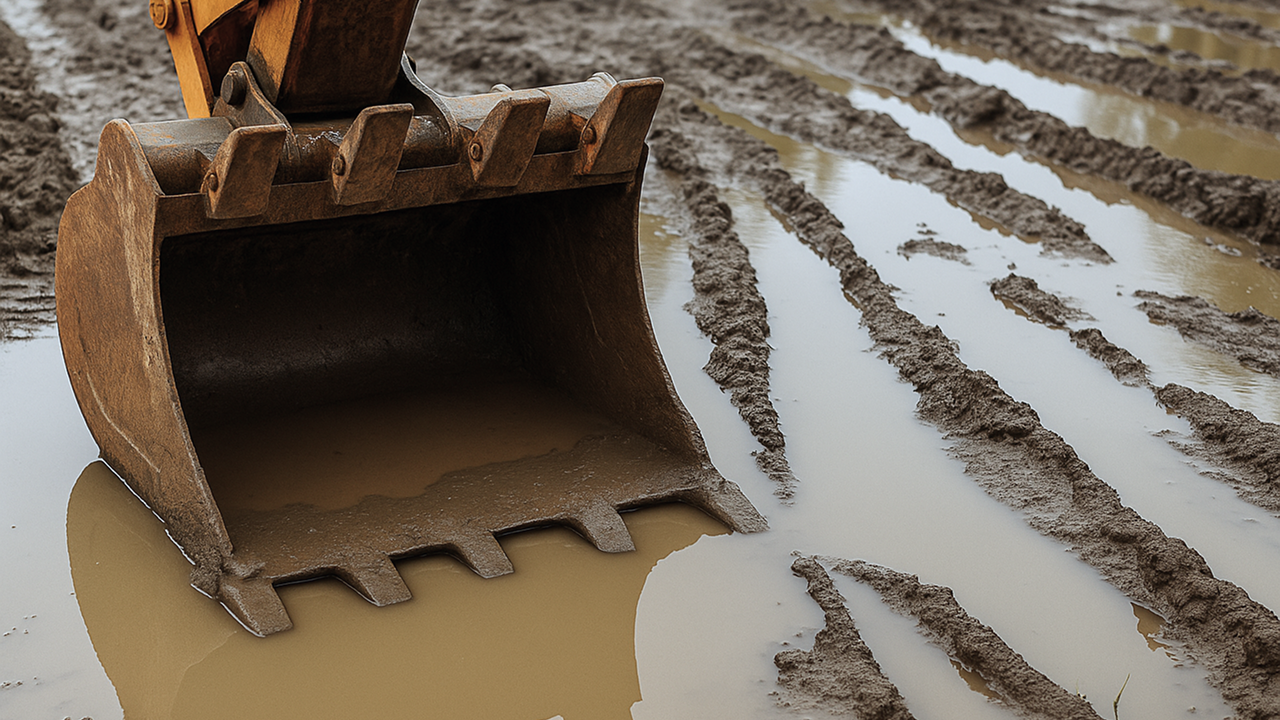
Learn how builders can stay stormwater-compliant and avoid costly delays with proactive planning, strong documentation, and site intelligence tools.
.webp)
See how meaningful work and construction site visibility help professionals build influence in land development and construction teams.