[00:06] Jordan Watavich: All right, well welcome everyone. Thank you so much for joining our webinar today: Design to Delivery: ROI Blueprint for Master Planned Communities. Thanks again for attending. We will have a Q&A slot at the end, so just ask your questions in the chat. If we don't get to all of the questions, we do have your information, and we will make sure that we follow up with y'all at the end of the webinar if we don't get to those questions then.
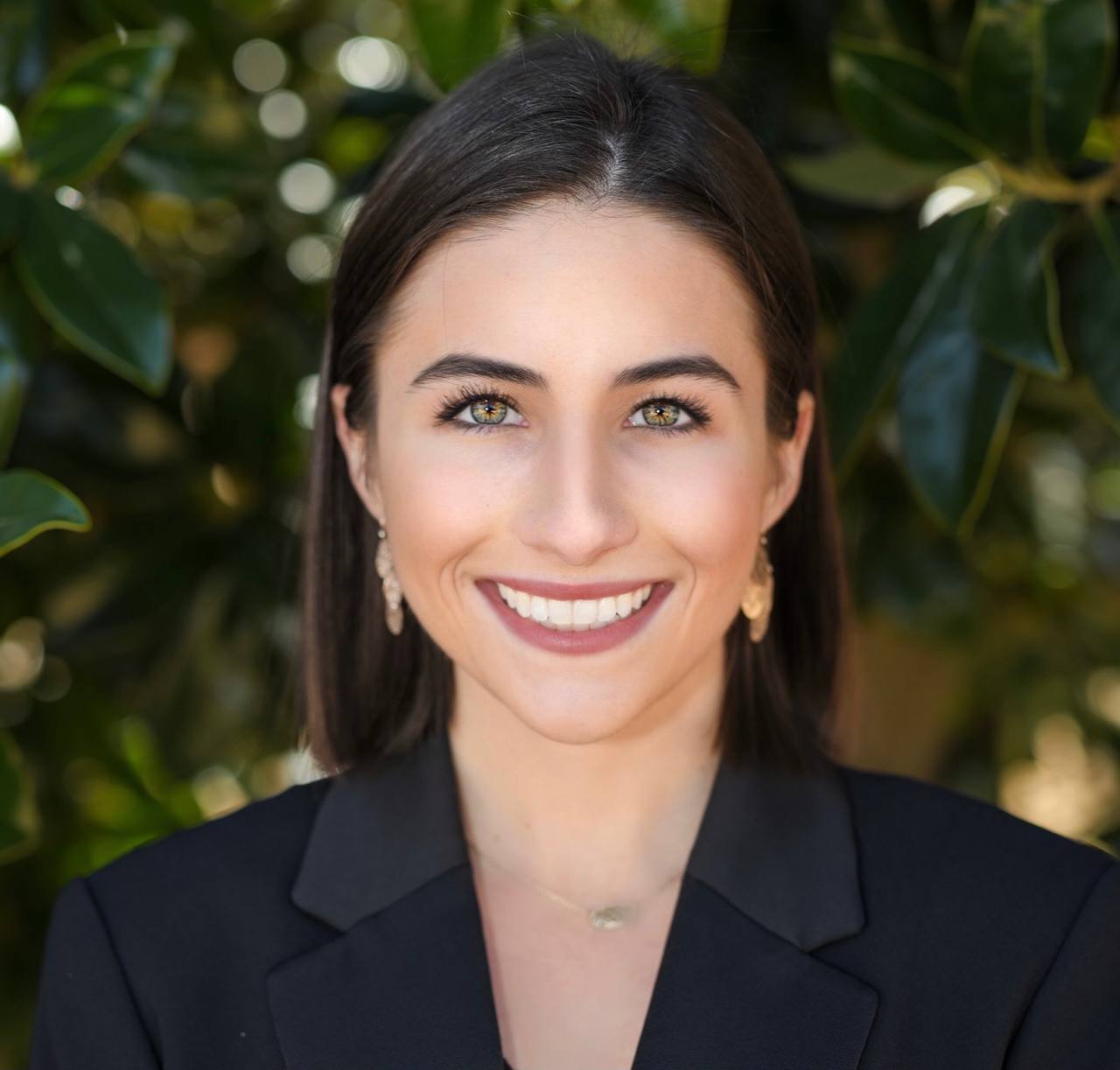
[00:34] Jordan Watavich: So I'm going to start by just doing some brief introductions. So I'm Jordan Watavich. I am a Senior Account Executive here at TraceAir, based in San Antonio, Texas. I've been with the company for about four years now, and have experience working with folks that are master planned community developers, homebuilders, kind of everything in between. So I'm really excited to have this conversation today with Monica, and I will hand it over to her and let her introduce herself.
[01:04] Monica Smith Onstead: Thank you, Jordan. Well, I'm Monica Smith Onstead. I'm the President, Founder, and CEO of OnPlace Collective. We're a placemaking firm; we help master planned community developers and builders build more connected communities through amenity planning, lifestyle design, and strategic marketing. So a little about me: I've been in the business now, homebuilding world, for more than 20 years, mainly specializing in amenities and lifestyle with developers. And about four years ago, I left my developer I was working with and created OnPlace because I saw a need in the marketplace where builders and developers needed to understand a little more about how to create connected places.
[01:52] Monica Smith Onstead: So today, we have about 100 employees across the US. We have offices in Florida and Texas, and work all across the country. I also host a podcast called Smith Lane, where we hold conversations with top industry leaders about creating places and community building. And you can find more about us on onplace.life.
[02:15] Jordan Watavich: Excellent. Thanks so much, Monica. All righty, well, we are ready to get into our questions for today. Want to start it off by just how do you define placemaking today in the master planned community context, and then what makes a community feel truly connected and authentic?
[02:42] Monica Smith Onstead: Thank you, Jordan. Well, placemaking has been around for a long time, right? We typically think about it in the urban design landscape, and it hasn't been around as long for master planned communities, where we've started coining the term. We've been doing it a long time, we just didn't name it that, right? So I think it started being named that in about probably the last 10 years. But really, it's a human-centered approach around designing and activating spaces to really help foster community and integration and a strong sense of place, right?
[03:17] Monica Smith Onstead: So simplified, in my mind, it is understanding your buyer, what they want to do, and then designing for it, right? Like every little aspect of it. So if you take an example of a playground, right? The user of that space, we would tend to say that the user is a child. But is the user really the child? Is that the end user who you're trying to attract? I would say you're really trying to attract the caregiver, right? The parent or the nanny or whomever, right, who's bringing the child to the playground. So why not design it to help them feel more comfortable at the playground? Right? Better seating, shade, visibility to the play structure, all of those types of things. So when I say knowing your buyer, knowing your user, like it can go down to the little details of like, where's the person who's going to come to this playground, where are they going to sit, and how can I entice them to stay a little longer, right?
[04:19] Jordan Watavich: Perfect. Yes, absolutely makes sense. Thanks so much for explaining it in that way. And then, you know, I'm thinking when you begin a master plan, there's so many different things that you have to think about: the vision, who your buyer is. What are those key ingredients for turning that vision into a place that people actually love to live in?
[04:43] Monica Smith Onstead: Yeah, I would say that building a community is actually super simple, right, if you look at it from the lens of who you're building it for. And I'm going to say this over and over and over in this webinar today, so I don't know, maybe there's a drinking game around it or something! But it really is that, you know, understanding who your buyer is and what they want to do is really key. I mean, that is the fundamental, fundamental piece of it. If you can look at everything else through the lens of your buyer, it's going to tell you so much. I mean, this is true for home design, amenity design, entry features—really looking at the lens through what your buyer wants.
[05:35] Monica Smith Onstead: Of course, listen, you also need to understand geographical area, what your competition is doing, but I want you to keep your eye on the prize, and that's your buyer. Who do you want to come to this community and buy the homes, right? That's what you're trying to do. Every developer I know is in business because they want to sell homes, right? Like, they want to make a profit at some point. So the best way, in my opinion, to do that is really get very granular on who your buyer is.
[06:00] Monica Smith Onstead: But as always, the devil's in the details, right? So making sure that you're creating this on paper is one thing, but actually executing it is a different thing. At the end of the day, I think that from an amenity perspective, for example, you can have a $2 million budget or a $42 million budget, and I personally think you can make great communities with either budget, right? It's about, again, your buyer, what the affordability rate is. And we have to take all of that into account when we're creating amenity spaces, because what's that operational cost long-term? How is that going to affect the community assessments and all of that? So, you know, at the end of the day, some clients come to me and say, "Oh, we only have a $2 million budget." And I'm like, "Well, I think we can do a lot for $2 million, right?" It might not be as grandiose as somebody with a $40 million budget, of course, but as long as we're tailoring it to what that buyer is attracted to, then we're going to be just fine.
[07:03] Jordan Watavich: Sure. So let's talk about that. You mentioned a couple different things: making sure you know who your buyer is, and then following through with that vision from start to finish. So first question I have for you there is, what are the steps that you take to determine who your buyer really is and what they want?
[07:25] Monica Smith Onstead: Yeah, well, that's a great question, Jordan, because it takes a ton of research, right? So it's not just about pulling—I'll tell you, sometimes we all have clients, I love all of my clients, sometimes they'll say, "I want this amenity," right? And it's like, "Well, but does your buyer want that amenity?" So we have to back up and go through a ton of research. So we use—I'm not going to name all the platforms here—but there are several different platforms that we use to pull data from. We also look at industry standards, like the America at Home Study. They do a great job, been doing studies I think every year since COVID, to really understand what amenities, the home product, and all this—it's chalk-full of great information.
[08:13] Monica Smith Onstead: So understanding the data, and now depending on the client, a lot of them have their own research that they've done, right, because they've been doing this for a long time. And so we take their data, some outside data, and then crunch it with some of the industry surveys and things like that that are out there. As well as, from a company perspective, we have about 45 communities around the country where we have lifestyle directors on site, and we take that data as well—that real-time data from surveys from our real-time residents: what they're using, which amenities they're using, what programming they like, all of that. And that really feeds into understanding what the demographic is.
[08:59] Jordan Watavich: Sure. We know that these communities can last a really long time. Building a master planned community can take anywhere from 10 to 20 plus years, and a lot of things can change during the course of that time. How do you make sure that the vision stays the same?
[09:22] Monica Smith Onstead: Well, again, another great question. I think it is understanding, again, we've got to understand our buyer, and you've got to understand our brand. But you have to create real understanding of the brand within your team, internal and external, right? So you have to have some pillars, you've got to understand who you are from that brand, and make sure that you are reinforcing that every single time. So your decisions from a developer perspective should always run through that brand lens, right? So you have your demographic, you've created the brand based on that, and now your decisions can run through that brand.
[10:04] Monica Smith Onstead: But seven years down the line, you're still building and things are going to change. Your brand's going to update, you're going to have to update your pillars, your guiding principles, and all of those things. But don't create them and just keep them in your desktop, right? You've got to send them out into the world and make sure that everyone knows about it—your buyers as well. Because if you pass that along to your buyers, they will help understand. I mean, there's some great communities out there—some great ones I've worked for, some of the great ones that I haven't—they're amazing, where they've done a really good job of instilling in the buyer what the community is all about.
[10:40] Monica Smith Onstead: And then what happens then is the buyer takes it to the next level, right? Because in placemaking, we want the community involved as well. But when we just have dirt, there's no community yet. So as the community members move in, they are going to take your brand and it's going to kind of morph into something else, and you have to kind of watch out for that, because that's okay, right? It's okay. But yes, I would say you really have to go over the brand, make sure you're living it with internal, external team members, as well as your residents.
[11:09] Jordan Watavich: Sure. And I know we have a good amount of developers on the call today, so I think it would be really beneficial for them to understand, how can developers better translate buyer demographics into land planning decisions, for example, like product mix and layout?
[11:32] Monica Smith Onstead: Yeah, I would say, first of all, get your marketing team involved! A lot of times I see where marketing is off to the side. I'm dealing with land planners—great people, wonderful at their job, all that—but we tend to go directly to what we can touch, see, and feel, right, which is the land. We tend to go to that hard stuff first. And we really need to start with marketing first, the strategy piece behind everything. So a lot of times, I'm telling you, I mean, it's crazy. Jordan, you're probably going to be like, "No, that can't be." But honestly, a lot of times our clients' marketing is not even in the picture. Sometime I had one marketing person tell me, she's like, "I'm the last to know." I mean, no! That's not the way it should be, right? Your marketing should be up front helping you understand who the buyer is. And again, I'm saying this over and over, but then they also need to help you build that brand and understand, because once you have that, that can tell you everything you need to know about the product type, right?
[12:36] Monica Smith Onstead: So if you know you're going to have families, and you know they're going to be young families, okay, well maybe I'm going to do more pocket parks because they're going to want them within walking distance or pretty close to their home, right? So maybe it's more of a pocket park, it's not one huge amenity. Maybe there's a smaller amenity, but there's pocket parks, because if you have a toddler, you know that you probably want in the afternoon to get them to a park to run all that extra energy out, right? So thinking from that mindset, say if I know who's going—or, we can never, we don't have a crystal ball, so you can't be sure completely—but if you have a good idea of who's going to live there, everything you do can be designed around that, right?
[13:22] Jordan Watavich: Yes, yes! And I think that's so important, of what you said at the beginning, is getting marketing involved from the beginning. It seems like a no-brainer, but can often be a step that gets missed, right? Because it is quite a big undertaking, right, a master planned community, and there's a lot of folks involved. But my big takeaway was really making sure that you get that marketing team involved from the very, very beginning and follow through with it so that that brand and vision isn't lost.
[13:49] Jordan Watavich: And so how do you balance the needs of different buyer segments in one community without losing a unified sense of place? If you have an example, that would also be wonderful for us, too.
[14:11] Monica Smith Onstead: Yeah, I think the best way to balance different demographics—because you are going to have multiple people, you know, your largest segment may be families, but you may have some mature buyers that also move in, right? How do you balance that? I 100% believe that it's through the lifestyle program, right? The experiences you can create. Lifestyle programming is, I would say, probably the least expensive thing around developing a community. It's an ongoing expense, right? A lot of times the HOA assessments cover it, but it's probably the least amount of expense with the biggest impact, right?
[14:50] Monica Smith Onstead: And it also allows you to be nimble in things. So let's say your demographic mix, you thought there was going to be 60% families and 40% mature, but uh-oh, that's flipped, and there's 60% mature, 40% families, right? Well, you can program differently, right? It's super easy to do that, because that is not like you're out there tearing down amenities and putting them back up, for example.
[15:18] Monica Smith Onstead: The biggest example, or the best example I probably have of that, is in my early days with Lakewood Ranch. The developer of Lakewood Ranch, I worked there for six years. And there was a community we had there—Mike Moser and the Starwood Land team purchased the remaining lots, I think there was like 1,000 lots left—and that team really felt like if that community could be more family-oriented... It currently wasn't age-restricted, but it was age-targeted, so it was more of a mature, empty-nester buyer. But the Starwood Land team had a hunch that, hey, we think that the mature buyer, they have adult kids, and they might follow them down to sunny Florida, right? You've heard probably of "baby chasers," where the grandparents chase the grandchildren, right? Well, this was kind of the reverse, kind of, and this is way before COVID.
[16:11] Monica Smith Onstead: But, you know, so Starwood had the idea that we could get a family buyer, a younger buyer. They brought in some different home types for that. We opened an amenity that wasn't—it was a beautiful amenity, but it wasn't anything grandiose, right? But it was centered around families and family using it. And then we created a lifestyle program with it. We also did a lifestyle program that started to kind of mix and mingle the demographics, right? So what your traditional neighborhood might look like, where you might see someone older walking down the street with also the family and that type of thing. Because at the end of the day, we thought maybe this is what's missing, right? Like, it can't be all mature, it can't—like, let's get a blend, this nice blended community together.
[17:04] Monica Smith Onstead: Well, fast-forward nine months later, we had increased the sales by almost 70% in that community by doing those three things alone. So it's one of those things where you can change the way the sales are being impacted based on your programming and what you're putting out into the world.
[17:18] Jordan Watavich: Excellent! So what were some of those—I'm curious—what were some of those amenities that you did put in in that community that were able to target several demographics?
[17:32] Monica Smith Onstead: Yeah, it was a resort-style pool, a playground, a clubhouse, made sure there was a barbecue grill where you could hang out with your family. We had a huge green space, and then we activated it, right? We also had a fitness center, of course. But then we activated it. And Starwood did a great job with the amenity because they made the pool deck extra large, because there wasn't a place to come together for the entire community. So they made the pool deck—which I think, honestly, the deck is more important than the pool, the water, honestly—so they made it extra large so that we could have events out there, right? People would bring their chairs out, we would have tables, and we'd have live music, and it just became so amazing. Kids swimming in the pool—you know, this is a Friday night in Florida, and people were like, "Oh my gosh, this is amazing."
[18:26] Monica Smith Onstead: And so we took what the amenity gave us and we enhanced it. We did some things like there was a neighboring golf club in the community, and we shared resources, pulled resources, and did a huge Fourth of July Independence Day celebration with fireworks and everything. So now the community got to see it, but also the members of the country club, and for half the cost, right, for each of them. So, yeah, those are some of the amenities. But the pool's big in Florida, of course, we made sure there was some splash elements in the pool again to attract the families, and then that green space was important with yard games and what have you.
[19:06] Jordan Watavich: Yes, sounds like a wonderful place to live. I'm just picturing what it looks like!
[19:13] Monica Smith Onstead: Oh, it's gorgeous! Palm trees, sunset, like just gorgeous, gorgeous.
[19:18] Jordan Watavich: So Monica, if you had to sum it up, what is the one thing that developers can do today to build communities that people genuinely love and remember?
[19:32] Monica Smith Onstead: You know, I think that understanding what your buyer wants, right? Understanding who your buyer is and what they want. I think also you've got to program it effectively, right? And then you have to stay true to your brand promise. And so that sounds super simple, you know, when you're trying to sum things up, but know your buyer, build what your buyer wants, program it effectively based on your buyer, and then stay true to your brand promise. And if you do that, you'll be successful.
[20:06] Jordan Watavich: I love that. I think that this has been very insightful, and there's been some really good takeaways from our conversation that our attendees could really use and apply. And I didn't ask you this at the beginning, and I want to ask it now: How did you get into the world of land development? What intrigued you to get into land development, and what intrigued you to start your business?
[20:36] Monica Smith Onstead: Well, I love that question. I'll tell you, I started—this will date me—but way back in the day with Standard Pacific Homes. Doesn't exist now, but I took a job with Standard Pacific Homes in San Jose, California. I spent 17 years of my life out in California in the Bay Area, and I fell in love with homebuilding, with community building. I got to really understand a lot of different aspects of building, from the Department of Real Estate work in California, I did a lot of legal work, I did a lot of construction work, I was on the project management team, so I've pretty much seen every vantage point of every stage.
[21:28] Monica Smith Onstead: And then when my husband and I left California, I was fortunate enough to take a role in Loudoun County, Virginia for a community called Willowsford. And at the time, it was voted the best community in the country—gorgeous place. And so I was there for about four years, and then left there, was recruited down to Lakewood Ranch to head up their amenity and lifestyle program, and was there six years.
[22:01] Monica Smith Onstead: And, you know, that is really where I got the vision of creating this company. Because with Lakewood Ranch, if you don't know much about it, it's a huge master plan, right, like 50 square miles or something like that. Like, it's crazy big, right? And so you work with multiple, multiple builders. We always used to joke that it was like, one of our villages was like a master planned community inside a master planned community, right? And so I really got to see the vantage point and the challenges that some of our developer partners and then also our builders were having, that maybe they could not afford or they didn't have the expertise to bring on someone like me.
[22:39] Monica Smith Onstead: And so in February of '21, I took the leap and started the business, and had my first client the first week—and we're still with that client today, Newland, shout out to Newland there! I think Starwood and Newland were like right there on the first week. But yeah, it's been great. We're now at 100 employees across the country, so we work all over the country. So it's been a crazy but great journey.
[23:05] Jordan Watavich: That is amazing! So looking 5 to 10 years ahead, what emerging forces, like climate policy or shifting buyer expectations, do you think will most change how we design and program master planned communities?
[23:22] Monica Smith Onstead: Yeah, I think buyer expectations are going to be the biggest shift for us. We already see some of that, but beyond that, it's going to be affordability. I mean, that is our big issue right now, affordability with the interest rates where they are. A few years ago, you could afford a very nice home with a lower payment, right? And so that higher interest rate squeezes what the builders and developers can do because the buyer has to pay more in interest, right, which hurts affordability. And so I think that's the biggest challenge, one of the biggest challenges we have today: affordability, the interest rate, and where we're going with that.
[24:10] Jordan Watavich: Yes, that's very consistent, too, with what we've heard as well. And then another question is, okay, in these current conditions, how do we create efficiencies as well? That is the topic of conversation, at least for me, when I'm talking to our developer clients. So I think that that is a very important point that you brought up. And then kind of, what is the most insightful ways that you've gathered feedback from the residents, like formal or informal, and actually folded that back into future phases for new master plans?
[24:47] Monica Smith Onstead: Yeah, absolutely. So we do a lot of different things: surveys, focus groups... I like surveys, but they're really kind of how you feel in the moment when you're doing the survey, right? It is a lot of talking to the community. It's also—we had one community where we wanted to add a few more pocket parks and we had the space to do it. So we created a committee of the residents, and they came out and helped us figure out what they wanted. They went back and spoke to the residents and then brought in the feedback and designed a pocket park like they would want to see. So it truly gave them the opportunity to kind of create something within their community.
[25:33] Monica Smith Onstead: So I think you can do a lot of different things where it's hands-on speaking to people. I do a lot of social listening as well, so my entire team does. We're on social media looking for things, kind of what's the trend, but also what's the sentiment about that trend. Because when people don't know that you're surveying like that, it tends to be a little more honest in the moment.
[26:01] Jordan Watavich: Absolutely. Great. Well, I think that wraps up the majority of our questions that we have for Monica today. I did want to go ahead and get into sharing with you what we do here at TraceAir for those that aren't as familiar. I know we have clients on the call, but we have some others as well that maybe aren't as familiar. So thank you, Monica, again for all of your time.
[26:27] Jordan Watavich: Jumping into TraceAir: Who we are... I think it's important to first clarify that we are a software company, and we don't just work with developers, right? We work with homebuilders as well, anybody that is moving dirt, assessing land, right? That is who we are assisting. So anything from your 2-acre multifamily development all the way to your 2,000, 3,000-acre or more development is where we're assisting.
[27:06] Jordan Watavich: And we talked a little bit about efficiencies, right, with the changing times and with everything with the economy. The big question: Well, how do we create efficiency right now? Because it matters more than ever. So it's important to know that when we are scanning our clients' sites, they have that data available to them the very next day. That is really important when you are developing any kind of community—you are not waiting on reports that are a couple weeks old, right, only to find that your site has changed. So that piece is critical there, that our customers are getting real-time data, and not just visuals, right? Visuals tell a story, they can help paint a picture of maybe what's going on on site, but what's more important is being able to quantify your dirt quantities, seeing where you're at, have we completed utilities yet, are we finished with grading, things of that nature. So really important there.
[28:03] Jordan Watavich: And I wanted to just show a little bit about how we can do that using our platform here. One thing that I always like to point out is that we have a historical record for all of the scans that we've done for our clients. This is really important. It's not if something goes wrong on site, it's when—it's going to go wrong essentially, so you never know, right? So having that documentation is really key here.
[28:34] Jordan Watavich: And what I see being used most from our developer clients are a couple of tools. First one I want to get into is actually our cut/fill balance tool, right? These are huge sites, you're dealing with a lot of dirt, and it's really important to stay on top of that. So using some of our tools, like our plane and track tool, we can actually run a cut/fill balance anywhere on site. And this is going to tell us, approximately—accurate to 3 cm, I should mention—how much dirt we have in that specific area. Is this good soil that we can use? If so, let's find a different home for it so we can balance it.
[29:13] Jordan Watavich: There are times, right, where you might run into spoils where you cannot use that dirt, it's important to be able to measure it so that you can get ahead and know, "Okay, if this is the approximate cubic yards of dirt I have here, and this is what the rate is going for in terms of hauling it off, I can accurately budget for that instead of being surprised down the road, right?" And ensure that you are getting billed correctly, right? Because these things can add up over time. A lot of times we like to think of that $10K, $20K dirt bust, but if you are getting overcharged by a couple hundred or a couple thousand cubic yards here and there, that's going to add up over time. So it's really important to be able to stay on top of this and have that single source of truth.
[30:09] Jordan Watavich: Another tool that I see being used quite often with our developers and our homebuilders as well is our Lot Viewer feature. So these sites are huge that we're flying, right? You're going to want to look at the cut and fill on an overall site basis, but as your community starts to develop and your grading starts to come to an end, it's even more important to get the breakdown of the cut and fill on a per-lot basis. So you can see, we can zoom in here, and it will actually give us the approximate cubic yards, whether we're short or if we have an excess amount of dirt here. So really easy to just come in here, right? If you're looking at a community that has a thousand lots, that's a lot of data to look at, so we do try to make it as simple and easy as possible with just giving you the breakdown right here, so you can assess, "Okay, are we really 100% complete, or are we more along the lines of 80% complete?"
[31:17] Jordan Watavich: The as-builts are also big, right? Whether you are a developer who is going to be selling this off to a homebuilder, or if you are the homebuilder yourself doing your own self-development, you have to make sure that all of your lots are within tolerance. ±0.1 ft (or 2-3 inches) is typically what I hear across the country. But whatever your tolerance is, right, you can zoom in and actually see, "Okay, am I above, am I below, am I right there?" And it is up to our clients of whether or not it meets the standard of their site, so we're providing the raw data so that they can make the decisions that work best for their community.
[32:03] Jordan Watavich: So zooming out a little bit, right, we can kind of assess what the site looks like. I do have a beautiful picture here of a site that is more along the lines of being complete, right? We can see we have vertical that's happening now, we're finished with grading. This is really nice as well, not only for the development team, but your sales and marketing team, your vertical team as well, to all be on the same page about what's going on within the project. So I think that's very important to know, is that we're not just assisting in the raw development, we're assisting in the vertical space as well. We now have TraceWalk, which is our vertical tool, and if you are interested in that, then you can certainly reach out to us as well. But not just solely land development now—we're touching everything from land acquisition all the way to vertical, which is critical there.
[33:00] Jordan Watavich: And lastly, I do want to show our 360 Panorama tool here. So we provide one of these with every scan, but we often find that with our large master planned community developers, they want to be able to add in more to capture, you know, maybe different amenities that they have going in, as well as other active construction areas on site. So we can provide more than one panorama, and often do for our master planned communities that we're flying.
[33:43] Jordan Watavich: This is actually a public link, so you can copy and paste this and send it out to partners, stakeholders, anyone that might benefit from this. Sales and marketing, they absolutely love this tool. So if you happen to be sales and marketing and you're watching this and you know that TraceAir is flying some of your projects, I would ask the development team about the 360 panorama, because you can actually get some great use from this as well.
[34:08] Jordan Watavich: Okay, we do have some other tools, but I think for today's call, I will go ahead and wrap it up here, and we will see what other types of questions that we have coming in.
[34:27] Jordan Watavich: So I do see we have a question for Monica, actually. So this person writes, "Monica, in your experience, what's the most overlooked early decision in a master plan that ends up having the biggest impact on long-term resident satisfaction?"
[34:47] Monica Smith Onstead: Let's see, I'll answer that from my vantage point from amenities, lifestyle programming, right? From my vantage and what I deal with, I think it's whether or not there's going to be staff on site, right? If you're going to have a lifestyle director, community manager, what have you, and designing for those spaces for those people. It's not sexy at all, my answer, but it's true. And then making sure, for example, so if you know you're going to have a lifestyle director on site, you're going to budget for that—budget for that to start when you actually start sales, not when you have your first resident in. Because your lifestyle director should be part of your sales program to make sure that your buyers are understanding the lifestyle program that you're putting together, and they get the energy from the lifestyle. So you can use that lifestyle director to put on some marketing events, for example. But I would say making sure you understand what space needs would be for your on-site staff in terms of amenities.
[35:57] Jordan Watavich: Sure. And we did get another really good question that came in for you, and it is: "What is one amenity or placemaking trend that you think developers are overinvesting in, and one that they're not investing in enough?"
[36:15] Monica Smith Onstead: Get asked about trends all the time, and it's a hard one to answer. I mean, I get the question about, "Oh, what's the hottest new amenity?" And it's like, "Well, who's—what's your demographic?" And so it's really a hard question to answer. Are they overinvesting? I don't know. I mean, if you're in Texas, you're probably not building a community these days without a lazy river. You know, maybe you're even throwing in a lagoon, and you know, there's some amenity wars going on in Texas. If you are in Florida, you probably really can't overinvest in a swimming pool, for example.
[36:54] Monica Smith Onstead: I think one of the things that they are not investing enough in would be wellness and fitness. And for some reason, we think that that doesn't sell because a lot of times we judge by: Is the fitness center empty, and why am I building this space where nobody goes to? I think you have to teach people how to use space, right? You have to get them comfortable in space. So what we do is we have a program, we work with an internal company here that helps us activate fitness spaces. So we put personal trainers, we do "Fitness 101s," right? Tell me, like, not everybody's comfortable in a gym, right? You've got to get comfortable. So if you know you're going to walk in and you're going to have this person there that's smiling and can teach you how to use that, and now you want to go back... It's kind of why we go to our yoga class, right? The instructor! So it's the same concept, and you can do that in your community fitness center. I don't think a lot of—some of my clients are now investing in this, but I don't think a lot of developers or builders are investing in that level of fitness, and it can be a true sales driver, right?
[38:09] Jordan Watavich: I love that! And I'm also thinking, too, about other creative ways that maybe you can get people involved in the wellness space, right, and really focus on the fitness and health. And what I see, too, in some communities are like the nature trails and the dog walk paths and the dog parks, which I think are wonderful, too. Because then you know there's a need there, okay, to take your pet out and get exercise, but if you create a beautiful walking trail that's next to a dog park as well, that makes people I think want to get outside even a little bit more, right? So I think wonderful that you mentioned the wellness and fitness space for our audience, because I think it can be overlooked.
[39:03] Monica Smith Onstead: Yeah, yeah. And, you know, another thing we don't take into account enough, and we try to do this here, is the journey from your house to that dog park, right, along—you mentioned the beautiful trail, right? Like, yeah, are there things we can do along the trail, especially if it's for families, right? Are there things you can stop and, you know, maybe that entices your child to get out, because they've got an extra thing to do? Maybe they can look at a butterfly under a magnifying glass or something like that, right? Like, it's one of those things where, what's the journey from the homes to the amenities as well? Like, let me entice people to use more. I mean, we're building it, we're spending the money on it, let's entice people to use it.
[39:45] Jordan Watavich: Yes, wonderful. I see we have another question came in, and this one is related to TraceAir and what we do. So the question is: "Can I invite other people into the TraceAir platform?"
[40:04] Jordan Watavich: Well, it's an unlimited amount of users! So what we see most commonly is that land development team, but also bringing in the engineering team as well, because it's not just the developers that are benefiting from our data that we provide—it is the engineers as well. I actually work very, very closely with a development company here in Texas, and all of their engineers are involved in TraceAir. They all use it just as much as the developers do, because they also have to keep track of the dirt movement and what the contractors are doing, all of that stuff. And if there is redesign and things like that that need to happen, then we can actually export our data into a file that is compatible with their CAD, which is excellent. So if anybody's on this call that is a current customer that doesn't yet have their engineer in TraceAir, I highly recommend it—it's free, no charge to you, and everybody's just going to get even more benefit from having that same level of access to the data that you're all working on together. So that was a great, great question here.
[41:17] Jordan Watavich: Let me see if we have any more... I think we're running out of time, so I will just go ahead and wrap it up for us today. Again, thank you so much, Monica, for your time and all of the wonderful insight that you shared with us. And for our audience, thank you for joining. You will be given a survey right at the end. It's intended for us to make sure that we are hitting the right points, that the workflow is good for you guys, so please, any feedback that you can provide for us will be greatly appreciated. So that is a wrap for today's webinar. Thank you so much!
[41:57] Monica Smith Onstead: Awesome. Thank you!
[41:58] Jordan Watavich: Thank you. Bye-bye.
[42:00] Monica Smith Onstead: Bye.




.jpeg)
.jpg)
%20(1).jpg)