2 min read
3 Tips for Staying on Top of Dirt Balance
Managing dirt balance on a job site can be quite difficult. There is a lot to take into consideration and with plans constantly changing, it can...
Platform
Main Solutions
2 min read
TraceAir Technologies Inc. Updated on January 29, 2026
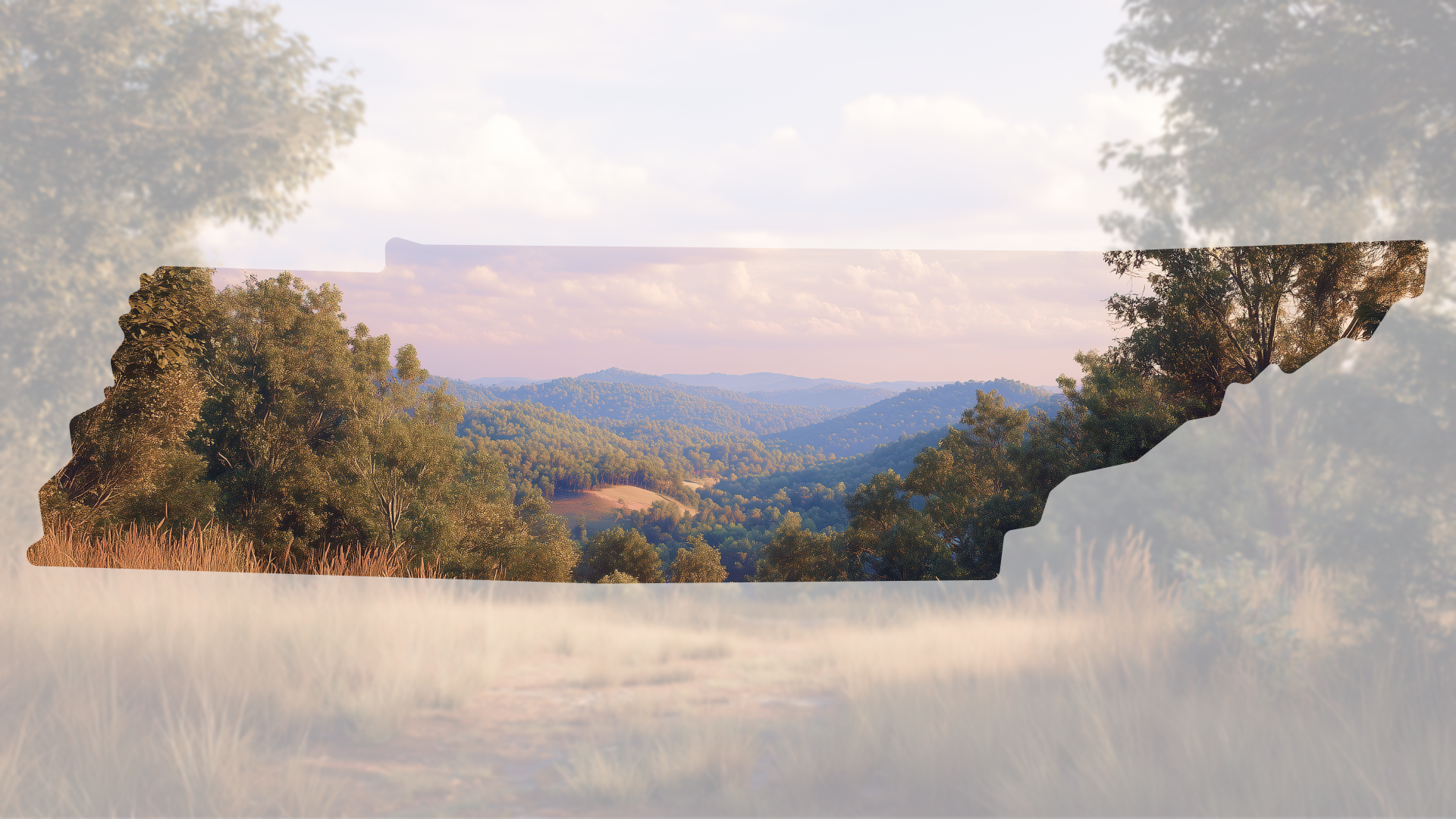
Tennessee looks gentle from the windshield—rolling pasture in Middle Tennessee, wooded ridges to the east, broad flats to the west—but the ground tells a different story once you break it open. Karst under Middle and East Tennessee hides voids and soft spots that turn “simple” cuts into over-excavation.
West Tennessee’s loess and fine silts can reshape after a hard rain. In the foothills, short, steep runs magnify small grading misses into real slope problems. This is where dirt plans come undone: a pad set a touch high triggers chains of export, a shallow swale missed in pre-grade becomes rills that eat a slope, and shrink or swell assumptions push crews to move the same dirt twice. Either you see what the terrain will do to your balance before you strip, or you learn it the expensive way.
Here are 5 ways top Tennessee builders are staying ahead:
Start by pressure-testing the grading intent, not just reading the plan. Quick cut/fill studies against design expose high pads, thin benches, and potential over-excavation zones while changes are still cheap. In karst-prone areas, pair visuals with targeted geotech to avoid chasing voids after mobilization. When you turn on the work, you want to be validating assumptions—not discovering them.
👉 Learn how LiDAR from TraceAir gives you full visibility of terrain.
Shrink and swell rarely match the estimate once dozers start moving. Keep a running, evidence-based picture of volumes and stockpiles so haul plans reflect today, not last week. When volumes are current, import/export calls tighten, standby trucks disappear, and “moving dirt twice” stops being a line item on every phase. That’s how budgets and schedules hold under Tennessee’s variable soils.
Short, steep runs magnify small misses, so confirm slopes before the next trade rolls. Fast cross-sections make benches, walls, and drainage paths visible against the plan, catching thin sections or high pads before they snowball into slope repairs or failed inspections. On hillside lots, this is the difference between a clean pass and a rework ticket after the first storm.
Loess and fine silts can move under heavy rain, and missed swales turn into gullies that eat time and money. Close the loop with visual proof that inlets, swales, temporary BMPs, and as-built grades match intent before the next storm window. When inspectors see function and evidence, approvals stay on tempo and crews keep sequence.
As portfolios grow, windshield time doesn’t scale. Replace “drive to verify” with shared, visual truth: a multi-site view that surfaces blockers, lot-readiness views that make next steps obvious, and historical scans that answer “what changed and when” in minutes. Field and office stay in lockstep, contractor questions resolve faster, and division and corporate get clean reporting without extra meetings.
You don’t need more dirt—you need better data. See the terrain early, measure what’s moving, verify the work that matters, and give your teams a single source of truth they can act on. That’s how you protect budgets, keep schedules moving, and deliver Tennessee sites with fewer surprises.
2 min read
Managing dirt balance on a job site can be quite difficult. There is a lot to take into consideration and with plans constantly changing, it can...
2 min read
Lump sum contracts have long been a staple in the construction industry. They provide a clear scope of work and a fixed price, which can be...
3 min read
Today kicks off the start of Construction Safety Week. Construction is one of the most dangerous industries to work in. Despite advances in...