1 min read

Every Land Developer's Worst Nightmare

Every Land Developer's Worst Nightmare
TraceAir | Every Land Developer's Worst Nightmare
2:33

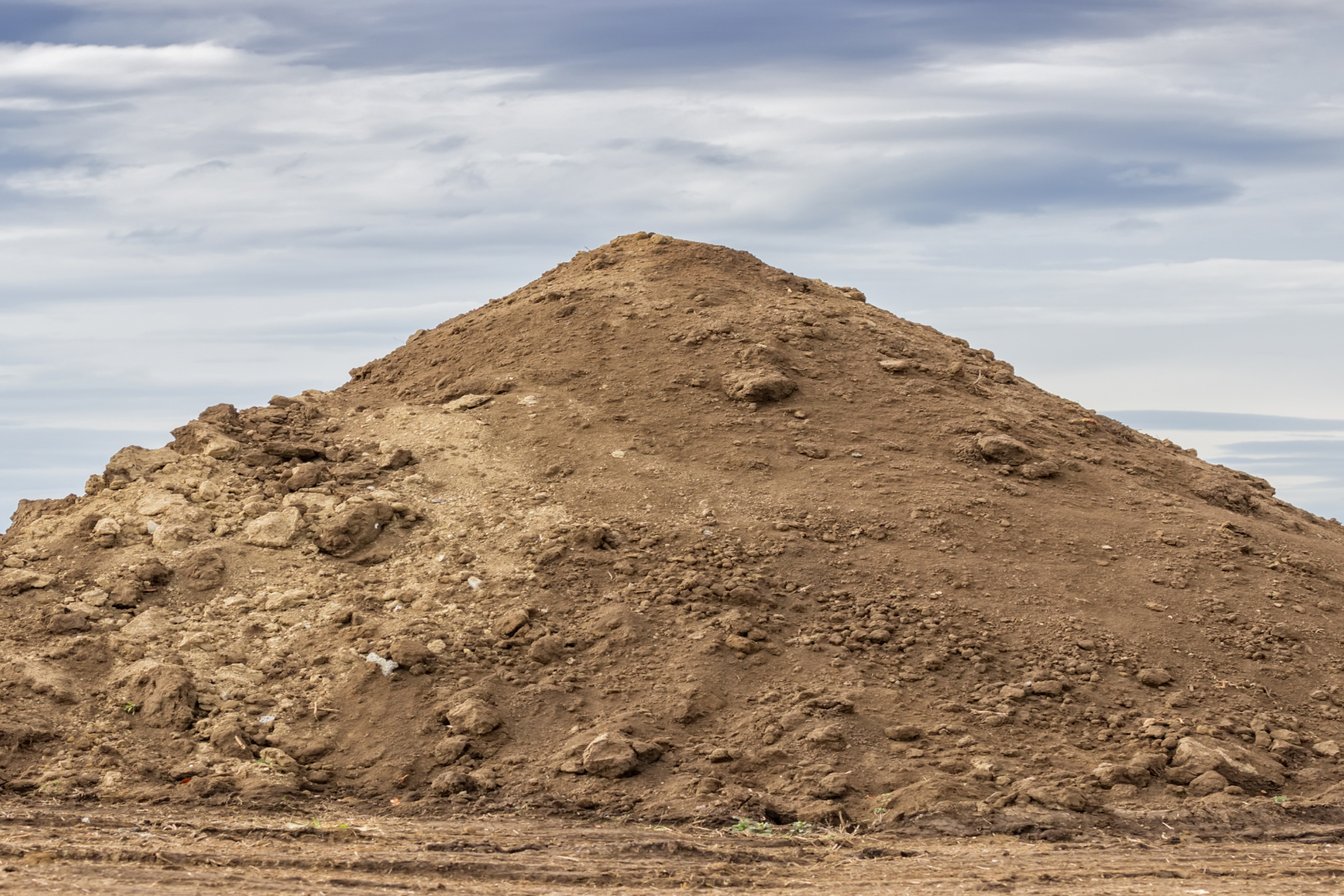
That's it. A large stockpile.

A big stockpile at the end of a construction project is every developer's worst nightmare. Land developers are terrified to have this extra mountain of dirt because it's very expensive to export, and steep off-haul costs can destroy the site development budget. There are several reasons why this happens, which include inaccurate data, lack of regular dirt balance checks, or design changes. Fortunately, this problem is entirely preventable.

Poor planning and poor data leads to big stockpiles.

We've written extensively about why site balance is so hard to calculate, and to summarize, calculate site balance is expensive and labor intensive. As such, site balance calculations are often only done once at the beginning of projects, and several factors can contribute to challenges:

  • Faulty Original Ground topo surveyed during the design phase
  • Unpredictable soil behavior due to a limited number of soil borings
  • Underground unknown

These factors can set projects off on the wrong foot right from the start, which make it difficult to course correct once construction is underway.

Regular dirt balance checks are necessary.

As the project progresses, site balance is even more difficult to track due to several factors:

  • Remedial quantities are difficult and labor intensive to calculate
  • Bulk/shrink changes over time and is almost never what you have expected
  • Design changes

Conducting regular surveys is essential to staying on top of dirt balance. Old school methods like aerial and hand topographical surveys are not fast or cheap, and that's why they can't be done regularly. Drones are without a doubt the most reliable and affordable method of capturing aerial survey data, so project teams can survey as often as weekly (or more!). It's a matter of preference whether project teams want to fly drones themselves or hire a third party, but either way, drones provide accurate project data quickly and cheaply.‍

By tracking site balance weekly, teams can identify problems early and correct them before they become expensive. Accurate cut/fill calculations make it possible to balance even the largest grading projects.

There's a solution!

Calculating site balance doesn't have to be hard (or expensive!) if you have the right data and tools. 3D topographical surveys captured by drones are far less expensive than typical surveying, and TraceAir's site intelligence software enables teams to track site balance weekly.

5 Ways to Improve Site Balance

2 min read

5 Ways to Improve Site Balance

The Keys to Site Balance‍ Last week, TraceAir hosted a webinar to discuss best practices in managing site balance, where we discussed why site...

Read More
How to Use Drones for Stormwater Pollution Prevention Planning (SWPPP)

2 min read

How to Use Drones for Stormwater Pollution Prevention Planning (SWPPP)

The rainy season is upon us, and you might be thinking about your Stormwater Pollution Prevention Planning (SWPPP) on your projects. SWPPP...
Read More
Customer Story: Lennar LDM Uses TraceAir to Double Projects While Saving Time

3 min read

Customer Story: Lennar LDM Uses TraceAir to Double Projects While Saving Time

One of the Nation's leading homebuilders providing homes for first-time, move-up, luxury, urban, and active adult buyers. Lennar was founded in...

Read More