





6 min read

Every land acquisition decision is built on assumptions about the portfolio you already have.
When will existing communities deliver their next phases? How much capital will actually free up over the next 90 days? Which projects are tracking to plan, and which are quietly slipping?
Those questions matter because your next deal does not exist in isolation. Its timing, takedown structure, and capital assumptions depend on what is happening across communities already under development.
If those assumptions come from percent-complete figures and field calls, the land team is making a high-stakes decision with information that was never produced for that purpose.
A development update can be perfectly useful for running a site and still be too directional for underwriting the timing of the next acquisition.
That is where an operations visibility gap becomes a land acquisition problem. And as builders lean harder on land banks and phased takedowns, timing assumptions carry more weight than they used to.
How Land Decisions Got Compressed
Land teams are managing a portfolio of delivery dependencies now, not just deciding what to buy.
The shift toward land-light homebuilding is part of that change. Builders preserve capital by controlling land through land banks and phased takedowns instead of owning every homesite outright. Moving land off the balance sheet does not eliminate timing risk; it changes where that risk shows up.
John Burns Research and Consulting's 2026 land playbook says: “Passive land appreciation is dead.” The report is about capital deployment, and its framing is that the challenge in 2026 is deciding where to deploy capital when nothing is cheap or certain.
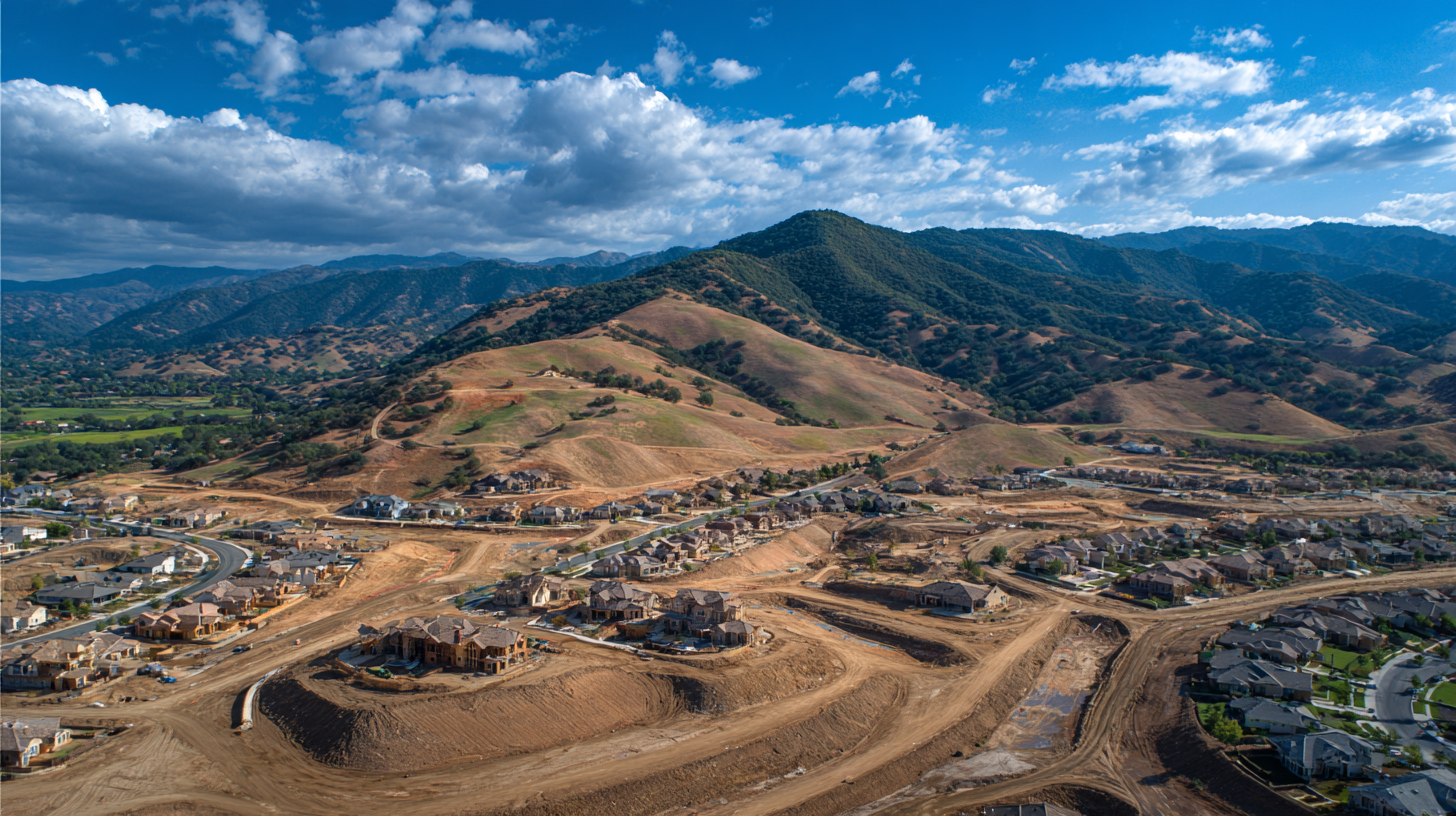
Land banking is one way builders are responding. JBREC described the model in 2024 as a way for builders to manage more lots with less capital, keeping the land off their balance sheets. The tradeoff is that the land team now has to coordinate new commitments against a development timeline that is already in motion.
Millrose illustrates the mechanism. It acquires property on behalf of a homebuilder, reimburses the builder for development costs, and sells finished homesites back on a predetermined takedown schedule. Millrose puts the homesite development phase at 12 to 60 months.
That means an acquisition team is managing more than the economics of the parcel in front of it. It also has to understand whether the communities expected to support future takedowns and activations are actually progressing as planned.
Current market conditions make that harder. A July 2026 HousingWire analysis of Forestar and Five Point described the industry’s focus shifting from “land light” toward “land right,” with more attention on terms, entitlement certainty, and delivery schedules. Builders, it reported, “are less willing to commit capital ahead of visible homebuyer demand.”
In that environment, a development schedule that looks reasonable on paper is not the same as a portfolio that is actually supporting it.
Where Visibility Gaps Cost Land Teams
Consider a community expected to deliver finished lots in Q3.
The land team has built upcoming acquisition decisions around that timeline. Capital tied to the current phase is expected to become available. A future takedown has been structured with that sequence in mind. The land committee has seen an activation plan based on the same assumption. But the site is six weeks behind.
Projects slip for legitimate reasons, and a wet spring or a late design revision will do it. The acquisition risk comes from finding out too late. Suppose the development team has been managing the delay while the land team is still working from the original delivery assumption. By the time the schedule change makes its way into a portfolio review, decisions have already been made against a timeline that no longer reflects the site.
Now the delay stops being a site problem. Capital expected to support another acquisition stays committed six weeks longer. The takedown schedule negotiated against the previous delivery sequence no longer lines up cleanly with the portfolio. The community activation planned around that capital moves. And the land committee presentation built around the original timeline now needs an explanation.
The first of those is the easiest to size. Scott Cox put most land-bank deals at rates in the low teens, and weighed an 11% rate against builder bond costs of 4% to 6%. Take the land-bank capital sitting in the delayed phase, apply the rate you are actually paying, and add six weeks of it.
At $10 million in the phase and that 11% rate, the carry is roughly $127,000, on one phase, at one community. That cost belongs to the delay itself. What the timing of discovery changes is how much of the rest you can still do something about. That is the visibility problem from the land team’s perspective.
The issue is not that somebody in the field gave you “bad data.” A superintendent, development manager, and VP of Land need different levels of information because they are making different decisions.
A field conversation may need to answer, “Are we making progress this week?” The acquisition team needs to answer, “Is this community progressing closely enough to plan that I can still use its expected delivery date in my capital and acquisition assumptions?”
Those are not the same question.
Tony Avila of Builder Advisor Group made the connection in a February 2026 Q&A published by HousingWire’s HW Media Content Studio: “When pace changes, everything downstream gets stressed.” He pointed specifically to timelines, carry costs, and the assumptions underlying land-banking structures.
For a land team, the same principle runs in the other direction. When the information coming from active development is stale or too coarse, the assumptions used for the next acquisition can be wrong before the deal is even approved.
The risk starts upstream, because the next deal is being priced and timed against what the organization believes about the portfolio it already controls.
What Real Portfolio Visibility Looks Like For a Land Team
A VP of Land does not need twelve more site updates. They need a portfolio answer.
Getting to one requires consistency. If one community is reported through a superintendent’s field assessment, another through a monthly development update, and another through contractor reporting, the land team may have twelve legitimate updates and no consistent way to compare the portfolio.
Real portfolio visibility means active communities are being evaluated on a repeatable cadence, using information that can be measured against the project plan. For earthwork, that can mean recurring aerial scans showing current site conditions and measured progress against the design grade.
For project timing, it means connecting those current conditions to the maintained schedule rather than reviewing schedule dates separately from what is actually happening in the field.
The objective is to give land and development teams a shared basis for the decisions that depend on the development team’s judgment, not to replace that judgment.
For the next portfolio review, the land team should be able to ask three questions:
- Which active communities are tracking to plan based on current site conditions?
- Which communities are behind, and how significant is the variance?
- What do those changes mean for capital availability, takedowns, and new community activations over the next two quarters?
Earlier visibility does not make a six-week delay disappear. It changes when the land team finds out: in week two, rather than at the next portfolio review. That can mean revisiting acquisition sequencing before the next commitment is made, or updating the land committee before an outdated timeline becomes part of another decision.
It also changes the quality of the conversation. Anyone can tell the land committee that a community is expected to finish in December. Showing that its current measured progress still supports the December timeline is a different claim, and it gives you an answer when someone asks, “How do you know?”
Your Next Acquisition Is Only as Good as the Portfolio Assumptions Behind It
Phased takedowns and land-light development made the land team’s dependence on active development more important, not less. When capital commitments, lot deliveries, takedowns, and future activations are connected across a portfolio, visibility into existing communities becomes part of the acquisition decision. That is where TraceAir fits.
TraceAir’s portfolio oversight tools give development executives a view across multiple active communities while still allowing teams to move from the portfolio level down to individual projects and phases.
Recurring aerial monitoring provides a consistent view of site conditions and measured progress. Its Schedule tool connects project timelines with current site data and quantities, and the Schedule Dashboard gives executives visibility into critical milestones and project status.
For a land team, the point is being able to look across the active portfolio and understand whether the assumptions behind the next acquisition still hold.
When you can see which communities are tracking, which are drifting, and what those changes mean for the portfolio, the next land decision is based on current conditions rather than an outdated version of the plan.
See what your active portfolio looks like against schedule. Request a TraceAir walkthrough.
Frequently Asked Questions
What is a portfolio blind spot in land acquisition?
It's the gap between what a land team assumes about active communities (based on percent-complete figures or field calls) and what those communities are actually tracking to. That gap shapes acquisition timing, capital assumptions, and takedown structure, often without the land team realizing the underlying data has gone stale.
Why does a delay in one community affect a completely separate land deal?
Capital, takedown schedules, and community activations are all sequenced around when existing phases deliver. If a community runs behind, the capital tied to that phase stays committed longer, which pushes back the next acquisition that was counting on it becoming available.
How much can a delay actually cost?
Using land-bank carry rates in the low teens (roughly 11% in the example), a $10 million phase running six weeks behind carries about $127,000 in additional cost. That's the cost of the delay itself. What changes with earlier visibility is how much of the rest of the portfolio you can still adjust for.
Isn't a development update or field report enough to catch this?
Not on its own. A field update answers "are we making progress this week?" which is a different question than "is this community progressing closely enough to plan that I can still use its delivery date in my capital assumptions?" Reports built for one purpose can be too directional for the other.
What does real portfolio visibility look like for a land team?
It means evaluating active communities on a repeatable cadence with data that can be measured against the project plan, rather than comparing schedule dates in isolation from what's happening on site. For earthwork, that often means recurring aerial scans tracked against design grade and connected to the maintained schedule.
How does TraceAir help with this?
TraceAir's portfolio oversight tools give development executives a consistent view across active communities, down to individual projects and phases. Recurring aerial monitoring shows measured progress, the Schedule tool connects that data to project timelines, and the Schedule Dashboard surfaces milestone and status visibility so land teams can check whether the assumptions behind the next acquisition still hold.