


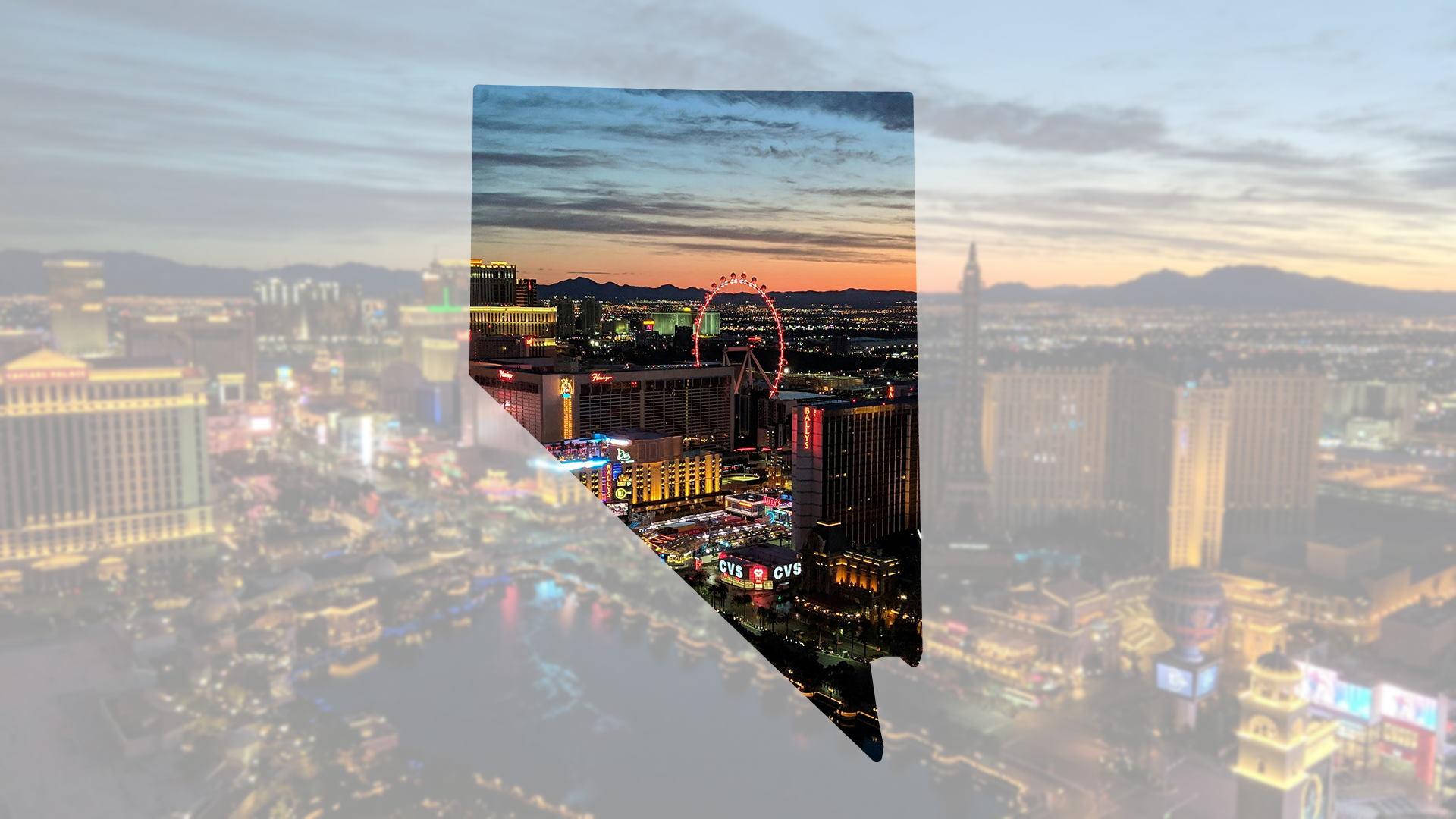
Las Vegas doesn’t just get hot—it redefines hot. On July 7, 2024, Harry Reid International hit 120°F, the city’s all-time record, and recent summers have stacked multiple 110°+ days in a row. That “dry heat” still behaves like an oven on crews and schedules.
Day-after-day extremes turn a “routine site walk” into a health risk. Nevada OSHA now enforces a heat illness prevention regulation requiring measures like water, cooling, monitoring, training, and rest breaks—smart for safety, but punishing for throughput if your oversight model still depends on walking sites everyday. At the federal level, OSHA’s proposed nationwide heat rule finished public hearings on July 2, 2025 and remains in the rulemaking pipeline. In short: compliance expectations are rising while desert heat isn’t letting up.
With summer temps regularly topping 110°F, daily site walks are unsafe and ineffective. Remote oversight lets Nevada builders maintain visibility without sacrificing health or quality.
1. Make remote verification the default
Swap “walk every lot” for evidence you can review from the office: map-based photo logs tied to scope, plan-aligned grade and trench overlays, and lot-readiness views that show exactly what’s done and what isn’t. Superintendents reserve in-person time for the handful of items that truly need eyes on, instead of absorbing heat to confirm routine checks.
2. Work the heat window instead of fighting it
Sequence field time into early hours and push midday approvals to remote review. Morning site visits focus on high-value verifications—utility tie-ins, trench safety, meter locations, slope-critical work—while midday progress gets documented with photos and short videos uploaded from the field. This pairs naturally with Nevada OSHA’s required cooling, hydration, monitoring, and rest breaks, keeping people safe without stalling decisions.
3. Verify underground and utilities from the desk
Trenches, services, and meters are prime rework traps when heat rushes checks. Require before/after evidence against the plan set—photos with context pins, quick measurements, and annotated overlays—so approvals move while crews stay out of the worst heat. You cut return trips, prevent covered-up mistakes, and keep inspectors onside with a cleaner paper trail.
4. Use frequent scans to catch grade drift
Desert soils crust, dry, and shift; pushing hard in heat can amplify grade mistakes. Regular aerial scans (e.g., weekly) with historical comparisons make small variances obvious before they become expensive rework. You’re not chasing “real-time”—you’re creating a reliable cadence that spots drift early and keeps slope intent intact.
5. Keep corporate in the loop without extra site miles
Mid-summer is not the time to add meetings or drive time. Portfolio dashboards and roll-up reporting give division and corporate a current view of progress, pass/fail, and blockers—so you avoid “one more update” requests and protect field bandwidth for the work that matters.
Bottom line for Nevada builders
You won’t out-tough a Vegas summer. Teams that hit schedules shift verification into the shade: remote evidence by default, targeted early-hour visits, and portfolio-level visibility that travels cleanly from lot to leadership. That’s how you keep people safe, pass inspections, and deliver in 110°+.