Insights

GIS in Land Development: What It Is and Why You Need It

From strategic land acquisition to efficient dirt balancing, discover the pivotal role of Geographic Information System (GIS) technology in revolutionizing land development.
November 14, 2023

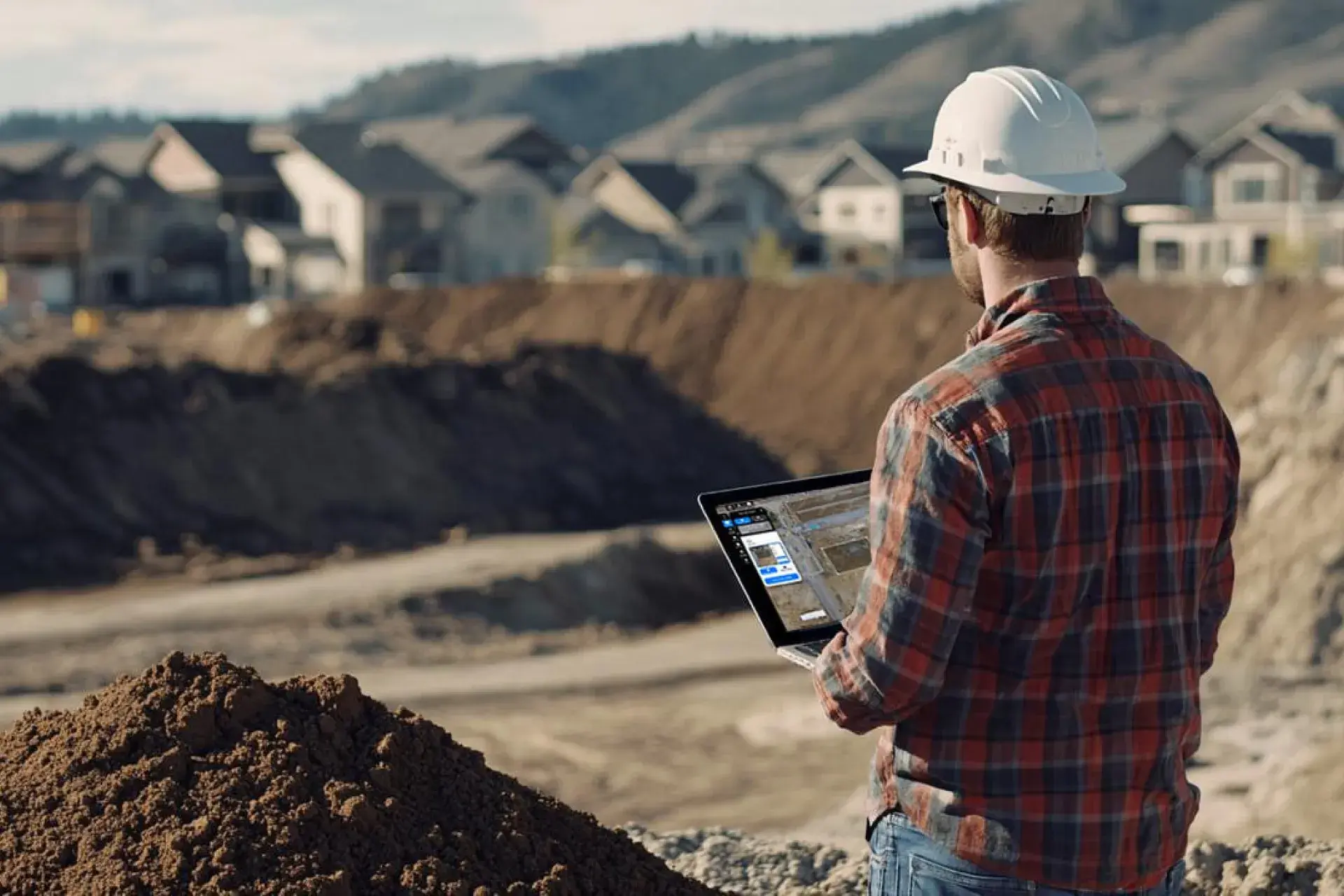
From mapping the quickest route to a destination to checking the weather forecast before heading out, GIS technology is seamlessly integrated into our personal and professional lives. It has become an indispensable part of our daily routines, quietly transforming the way we navigate the world. In recent years, GIS technology has enabled significant advancements in land development. In this article, we will explore what GIS is and why it is an essential tool for modern land developers. 

What is GIS?

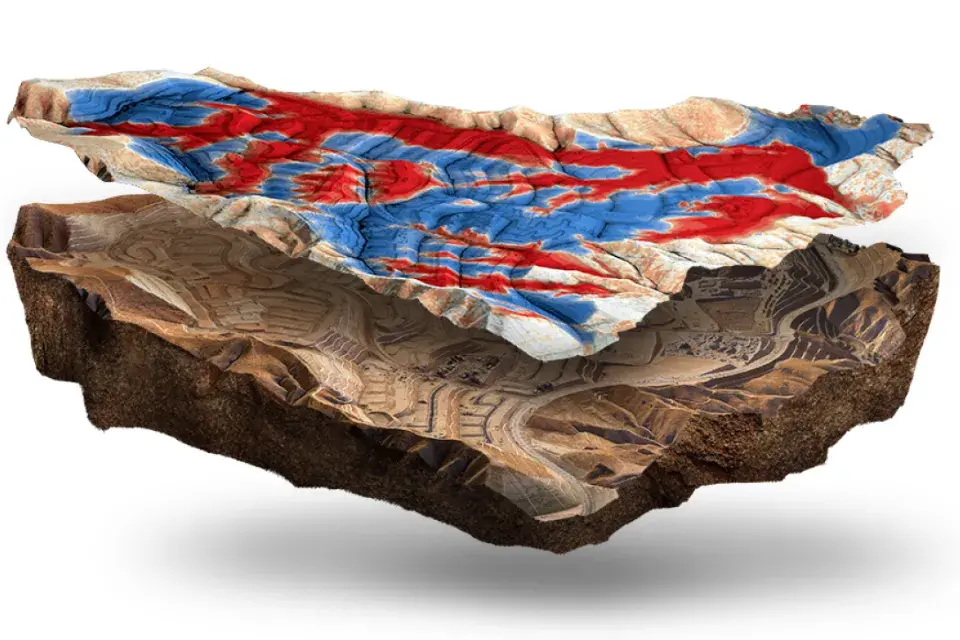
Short for Geographic Information System, GIS is a powerful technology that combines data with geographic or spatial information. Essentially, GIS connects data to a map, integrating location data (where things are) with all types of descriptive information (what things are like there). 

​​To understand the role of GIS in land development, it's important to know its key components:

Data: GIS relies on different types of data, including geographical data (land boundaries, elevation, water bodies), attribute data (land use, ownership, zoning regulations), and real-time data (weather conditions, equipment and material locations).

Hardware: Specialized hardware, such as GPS devices, drones, and remote sensing equipment, is used for data collection and input into GIS systems.

People: Skilled GIS professionals are essential for managing and interpreting geospatial data.

Software: GIS software, like TraceAir, brings data to life by providing the platform for data management, analysis, and visualization. See how TraceAir works.

Why You Need GIS in Land Development

Precise Site Selection and Land Acquisition: Land developers often begin their journey with the critical step of site selection and acquisition. The success of a project relies heavily on choosing the right location. GIS offers developers a comprehensive view of potential sites, considering factors such as topography, soil quality, proximity to utilities, and transportation networks. This data-driven approach helps minimize risks associated with unsuitable land choices.

Optimal Planning and Design: Once a site is selected, the planning and design phase begins. GIS allows developers to create highly detailed, data-rich maps that help design efficient layouts for communities, buildings, and infrastructure. This precision ensures that the development optimizes land use while preserving natural resources and minimizing environmental impact.

Environmental Impact Assessment: Sustainability and environmental considerations are now at the forefront of land development. GIS tools can analyze environmental factors, like wetlands, protected areas, or water bodies, helping developers assess the environmental impact of their projects. This is crucial in complying with regulations and ensuring long-term ecological balance.

Dirt Balancing: By analyzing topography and soil quality data, GIS enables developers to strategically manage earthwork. This data-driven approach ensures a cost-effective and efficient dirt balancing process.

Infrastructure Development: A key aspect of land development is creating necessary infrastructure, such as roads, utilities, and drainage systems. GIS helps developers plan and implement infrastructure efficiently, by visualizing existing systems and identifying the most cost-effective and sustainable solutions.

Risk Mitigation: Land development projects are not without risks — human error, natural disasters, market fluctuations, and legal issues to name a few. GIS allows developers to assess and mitigate these risks by providing data to anticipate potential issues and support contingency planning.

Collaboration and Communication: Collaboration among various stakeholders is essential in land development. GIS facilitates effective communication by providing a common platform for sharing data and insights. It helps streamline the decision-making process by ensuring all parties are working from the same information.

Regulatory Compliance: Land development is subject to numerous regulations, permits, and zoning laws. GIS can integrate this information, ensuring developers remain compliant with all legal requirements, reducing the risk of costly delays or fines.

Choosing the Right GIS Solution for Land Development

While GIS technology has solidified its position as an indispensable tool in land development, it's essential to recognize that not all GIS solutions are created equal. When considering the adoption of GIS technology, numerous factors should be taken into account. How will your project data be captured, processed, and stored? Who will have access to this data, how many licenses will you need, and what kind of support can you expect?

Built specifically for land development, TraceAir seamlessly integrates powerful GIS technology into a simple, user-friendly platform. This simplicity empowers land developers to make informed decisions, streamline processes, and achieve successful, profitable projects with ease. Here’s a few reasons why TraceAir is the number one choice for land developers:

Seamless Integration and Implementation: We understand how demanding day-to-day operations can be for land developers, and how frustrating it can be to implement new processes, which is why we go above and beyond to make working with TraceAir straightforward. You will not need to download any software, process any data, own a drone, or hire a drone pilot — TraceAir is 100% turnkey.

Fast Turnaround Times: The traditional multi-day lag time between surveying a site and receiving the data is eliminated with TraceAir. Our scans are processed overnight and ready to use the next day.

Precision You Can Trust: Our team of GIS experts meticulously process scans manually, ensuring accuracy to 3 centimeters. This level of precision instills confidence in using TraceAir for progress tracking, billing verification, documentation, and daily project management.

Purpose-Built for Land Development: TraceAir provides specialized solutions for the unique challenges of land development. From site selection and acquisition to finish grading and amenities, TraceAir has you covered at every stage of your project.

Unlimited Licenses: Share TraceAir without any license caps or hidden fees. Elevate collaboration and transparency by sharing TraceAir with your entire team.

Mobile-Friendly: No apps or downloads needed, TraceAir is accessible from any web-based device, allowing access on the go.

Unbeatable Support: Your success is our priority, and we're here to support you without limitations. We provide unlimited support to help you make the most of our platform.

User-Friendly: Designed to be easy to use for even the least tech-savvy, TraceAir simplifies even the most complex tasks. Most users need just an hour of training to get started, and most tasks can be completed with a few simple clicks. 

GIS TraceAir
Using advanced GIS technology, TraceAir combines data and maps to equip land developers with insight and tools for smart decision-making and streamlined project execution.

Get Started

More than just a software provider, TraceAir is your dedicated partner in achieving success. We’ve spent years learning the unique challenges of land development and developing solutions tailored to it that actually work. You won't find a company that's more dedicated to your success and passionate about helping you achieve your goals.

To unlock the full potential of GIS technology in land development, schedule a demo with TraceAir today.

Get the latest news from TraceAir

Let’s work together

Reimagine your experience

Want to learn more? Let us show you how TraceAir can help you achieve site balance, accelerate your schedule, and save money.

Book a demo