


.jpeg)
Effective stormwater management is crucial for homebuilders, land developers, and construction professionals. Proper techniques not only help prevent flooding and reduce pollution, but also ensure compliance with regulations and promote sustainable practices. Here are five tips to enhance stormwater management on your projects:
1. Plan Ahead
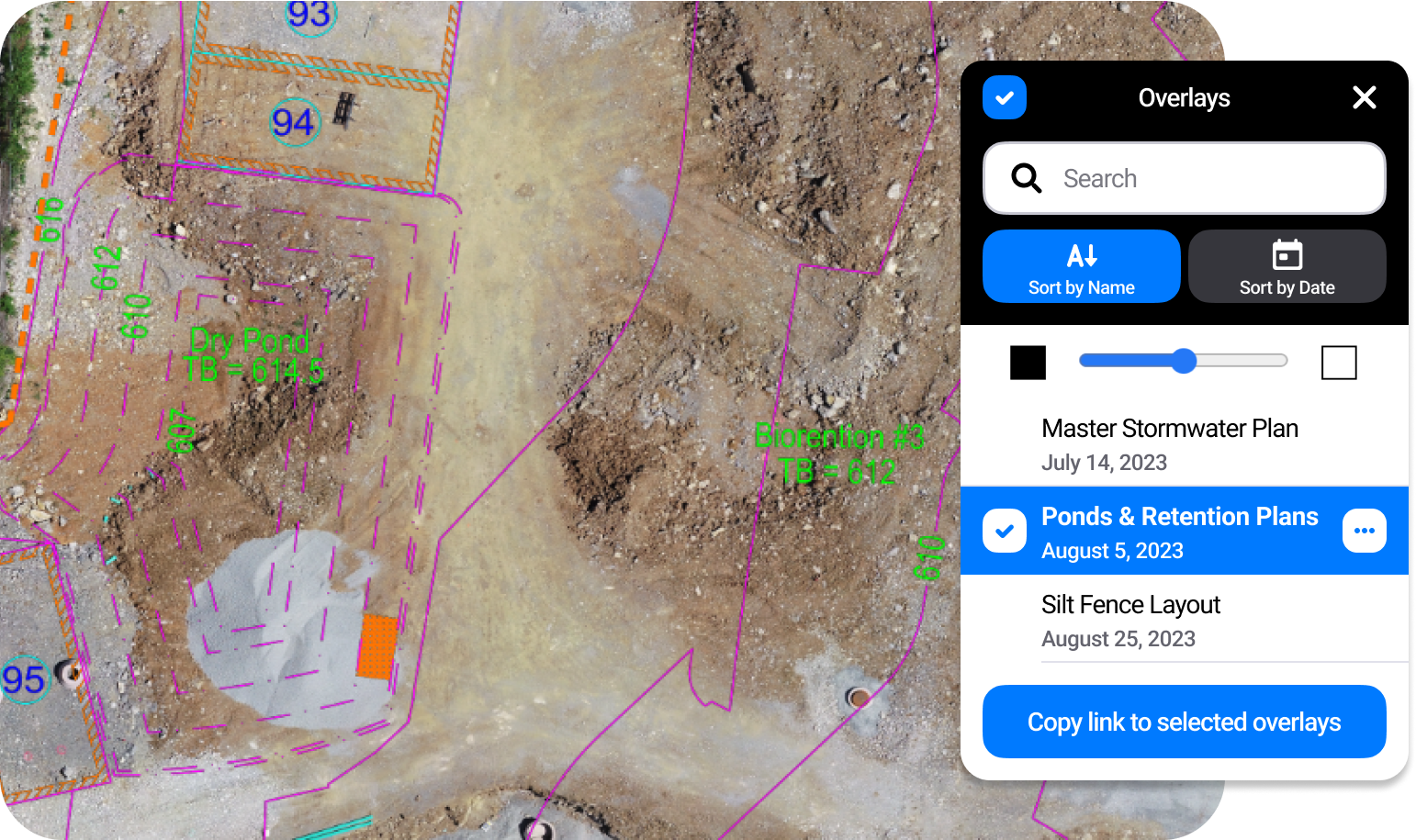
Before starting any construction activity, conduct a comprehensive site assessment to identify sources, paths, and volumes of stormwater runoff. Based on this information, design a Stormwater Pollution Prevention Plan (SWPPP) that outlines goals, measures, and monitoring methods. The SWPPP should comply with relevant regulations and be updated as site conditions change. Utilizing drone technology can quickly map the terrain, identify potential problem areas, and provide valuable insights for your SWPPP. Proper planning ensures a proactive approach to managing stormwater effectively.
2. Minimize Disturbance
Construction sites often contain pollutants like oil, chemicals, paint, sediment, and debris. Disturbed soil becomes highly mobile, making it crucial to prevent these contaminants from reaching water bodies. Reduce the amount of land disturbance and vegetation removal. By preserving natural features and functions, you enhance the infiltration, storage, and evaporation of stormwater. Limit the duration and extent of soil exposure, and stabilize disturbed areas with mulch, grass, or other cover materials. This approach helps maintain the natural balance and reduces the impact of construction activities on the environment.
3. Implement Best Management Practices
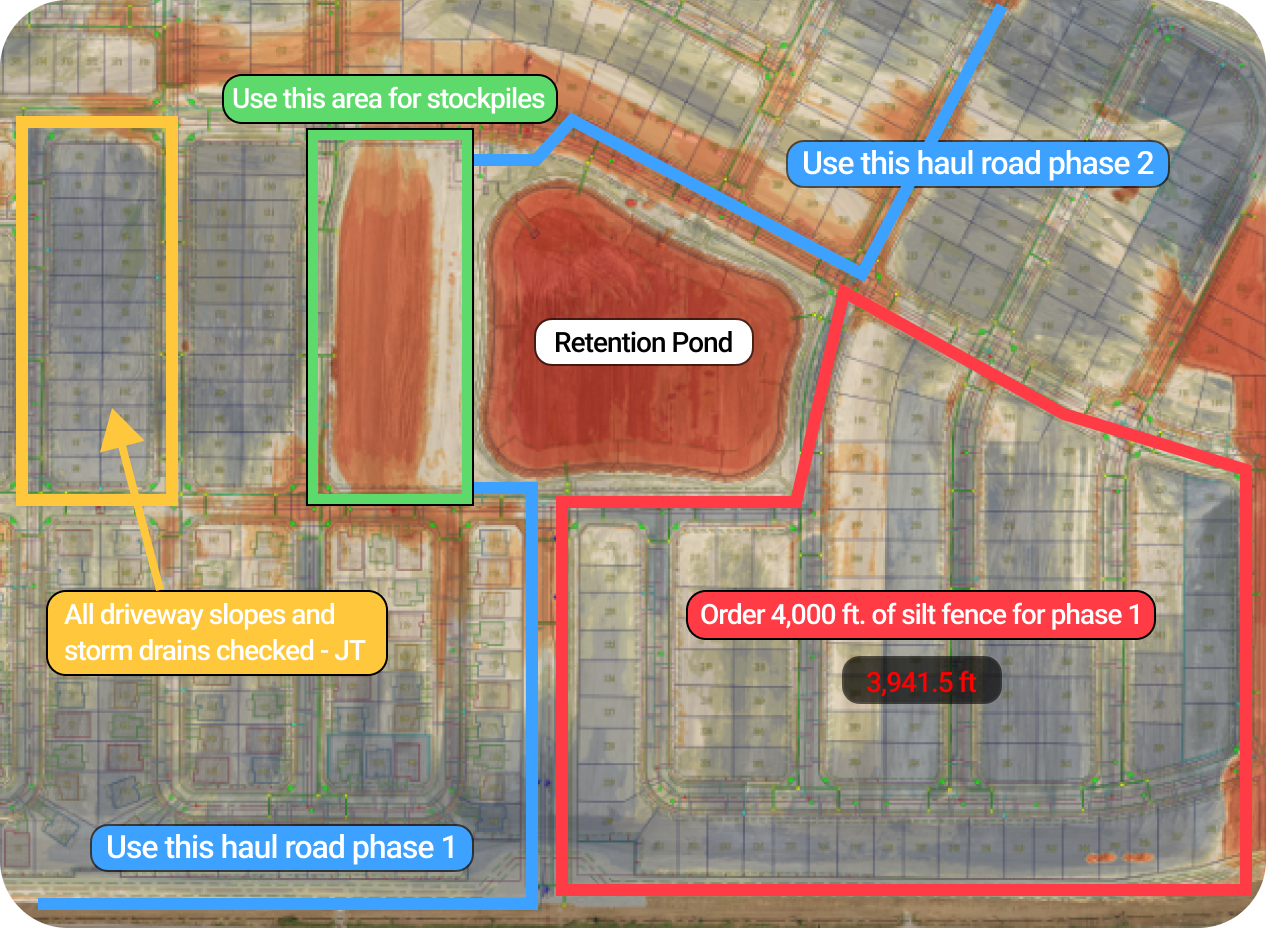
Best Management Practices (BMPs) are essential techniques and activities that control stormwater runoff. Examples include silt fences, straw bales, sediment traps, check dams, inlet protection, storm drain covers, and erosion control mats. Select and install appropriate BMPs for your site, and maintain them regularly to ensure their effectiveness. Regular inspection and maintenance ensures these practices function as intended and provide the maximum benefit.
4. Train Staff & Prioritze Communication
Educate and train staff and contractors on the SWPPP and BMPs. Provide clear instructions on implementation and maintenance, and ensure everyone follows best practices and procedures. Consider technology to ensure team members always have access to the latest plans and data, and to facilitate quick and easy communication. Effective training and communication are key to not only managing stormwater effectively, but also avoiding costly fines or the added expense of repairs. Encourage collaboration and open communication to promptly address any issues and keep everyone aligned.
.png)
5. Utilize Technology
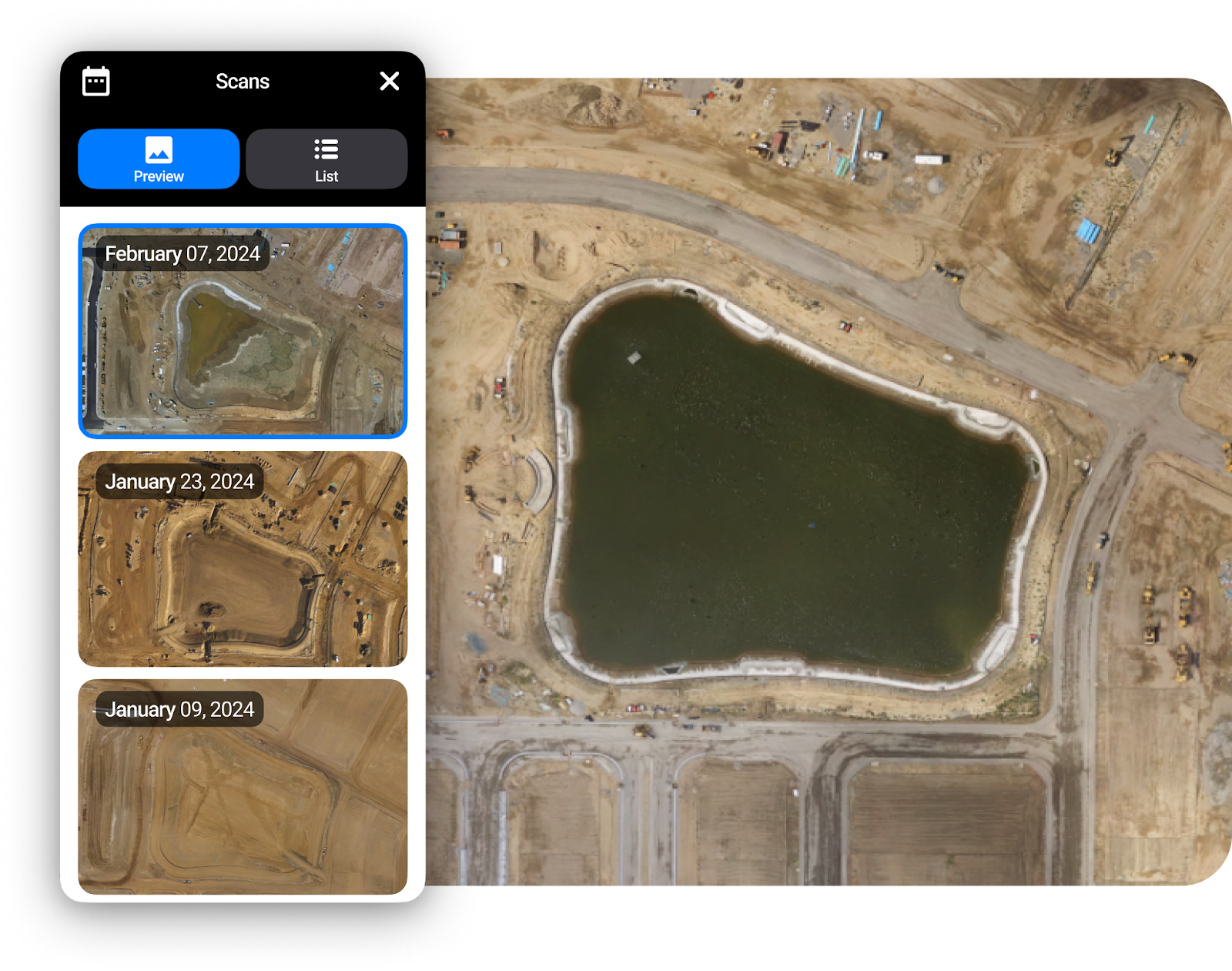
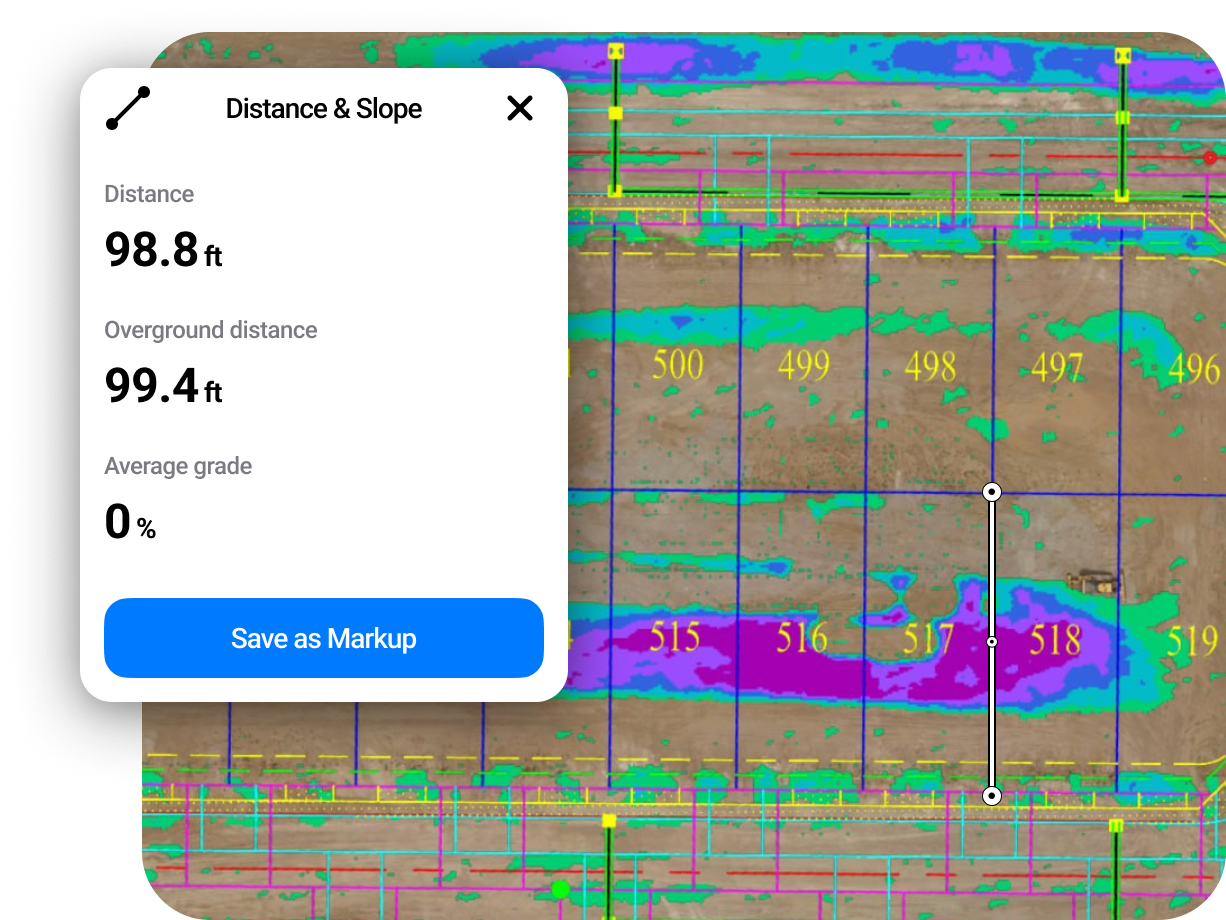
Leveraging technology can significantly improve stormwater management. Built for homebuilders and land developers, TraceAir offers many tools and features uniquely beneficial for this purpose. With 3D topographic scans and data analysis with 1/10' (3 cm) accuracy, TraceAir helps identify problem areas, track changes, and ensure compliance. Unlimited licenses ensure everyone has access to up-to-date plans and data for smart decision-making and collaboration. Additionally, TraceAir maintains a historical archive helpful for record-keeping and ensuring compliance.
Learn more about how TraceAir supports effective stormwater management.
For top homebuilders and land developers, effective stormwater management is a top priority. Not only is it essential for sustainable development and environmental stewardship, but also your reputation as a responsible builder. Ultimately, these efforts lead to smoother project execution, cost savings, and long-term success in the industry.
To learn more about how your projects could benefit from TraceAir, schedule a demo today.