


How D.R. Horton’s Memphis Division Streamlines Development at Scale with TraceAir
D.R. Horton Memphis tripled build pace and needed smarter oversight. TraceAir keeps every phase aligned from grading to executive reporting.





3 min read
Land development teams do not just need to know that work is happening. They need to know whether the right work is happening, in the right place, and according to plan.
On one project, a contractor was supposed to haul dirt onto the site. When they ran short, material was mined directly from the property, including from lot pad areas.
During a TraceAir scan review, the land development manager noticed 30,000 cubic yards missing from the site. By going back through weekly scans, the team could track where the material had moved and document the discrepancy.
That evidence gave the team a clear basis to escalate the issue and require the contractor to replace the material they had been paid to bring in.
The team recovered $800,000 in material before the contractor went out of business. Without that early detection, they could have been left with the full $1M expense.
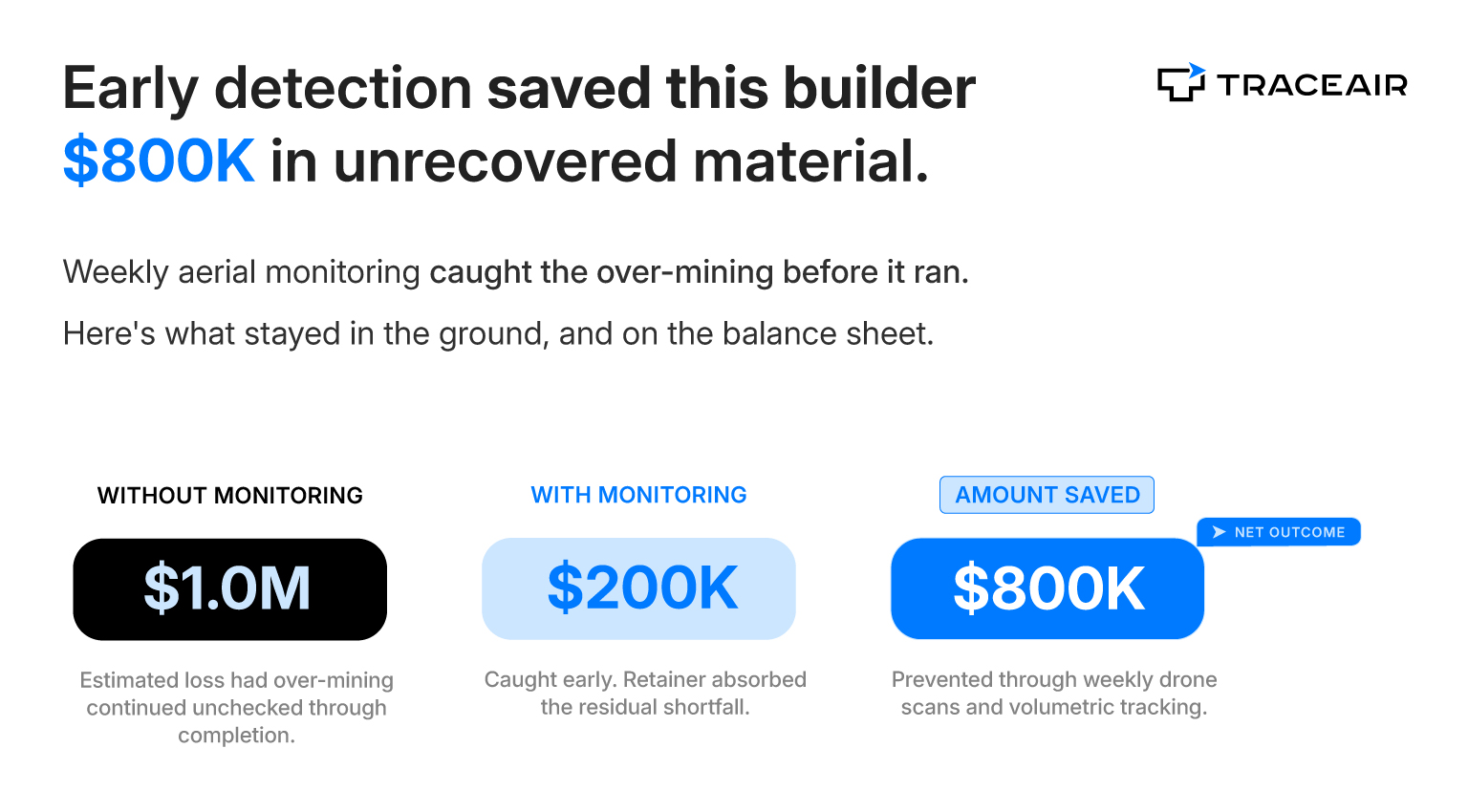 Figure 1. Estimated exposure vs. remaining shortfall with recurring site monitoring.
TraceAir’s cut/fill tracking and scan history helped the team connect what they saw in the field to measurable volume changes over time.
You can see from one month to the next how much they mined in cubic yards with the compare surfaces tool… you can see they were even mining inside the lot areas and the house pads, which is absolutely not supposed to happen.— Land Project Manager
This incident points to a larger operational risk: land development teams cannot see every active site every day.
The project manager was managing multiple jobs at once. Without recurring aerial scans, the team would have had to rely on contractor updates, occasional site visits, and issues that surfaced on their own, often after the damage was already harder to correct.
TraceAir does not replace project managers. It gives them better site data to work from.
If we didn't have TraceAir, they would have kept going. It would have been 10 times worst.— Land Project Manager
Recurring site visibility does more than help teams catch one isolated issue. Site risks can show up in different ways across a project: earthwork quantities that shift between visits, utility conflicts that surface too late, supervisors who need to verify progress remotely, or contractor-related questions that require a clear record.
The team in this story knew what to look for. What made the difference was having the tools in place to uncover those problems early and take action.
TraceAir gives land development and construction teams a recurring site record they can use to compare conditions, verify progress, and review changes before small gaps become expensive problems.
| Situation | Without Visibility | With TraceAir |
| Earthwork quantity changes | Material movement or volume changes can be difficult to validate between site visits, especially when teams rely on scattered field updates. | Volume changes are visible across recurring scans, with documented evidence teams can review over time. |
| Utility conflicts |
Plan conflicts may surface during stakeout or installation, after crews have already mobilized. | Plans can be compared against the latest scan data before field work begins. |
| Remote oversight | Supervisors rely on contractor updates, photos, or extra site visits to understand current conditions. |
Current site conditions stay accessible from the office, field, or anywhere the team needs to review them. |
| Contractor accountability |
Pay estimates, billing questions, or change-order conversations depend on reported quantities without a clear site record. |
Scan history and volumetric records create a dated paper trail before disputes escalate. |
You may not know which issue will surface next on an active project. But when teams have a documented site record, they can respond with evidence instead of assumptions.
TraceAir helps land development and construction teams track earthwork progress, compare field conditions against plans, and document site changes before small discrepancies turn into expensive problems.
D.R. Horton Memphis tripled build pace and needed smarter oversight. TraceAir keeps every phase aligned from grading to executive reporting.
TraceAir enables M/I Homes Columbus to track construction progress, manage dirt balance, and coordinate operations across their portfolio.
.png)
Discover how M/I Homes manages land development with TraceAir, reducing site visits and enhancing collaboration for maximized efficiency.