TraceAir E-BOOK
The Site Visibility Gap
Why Production Homebuilders Are Losing Margin, Schedule, and Control on Every Project
A guide for land development and construction leaders who are tired of managing sites by gut feel.
Includes insights from conversations with production homebuilders and land developers.
The Problem No One Talks About in the Monday Meeting
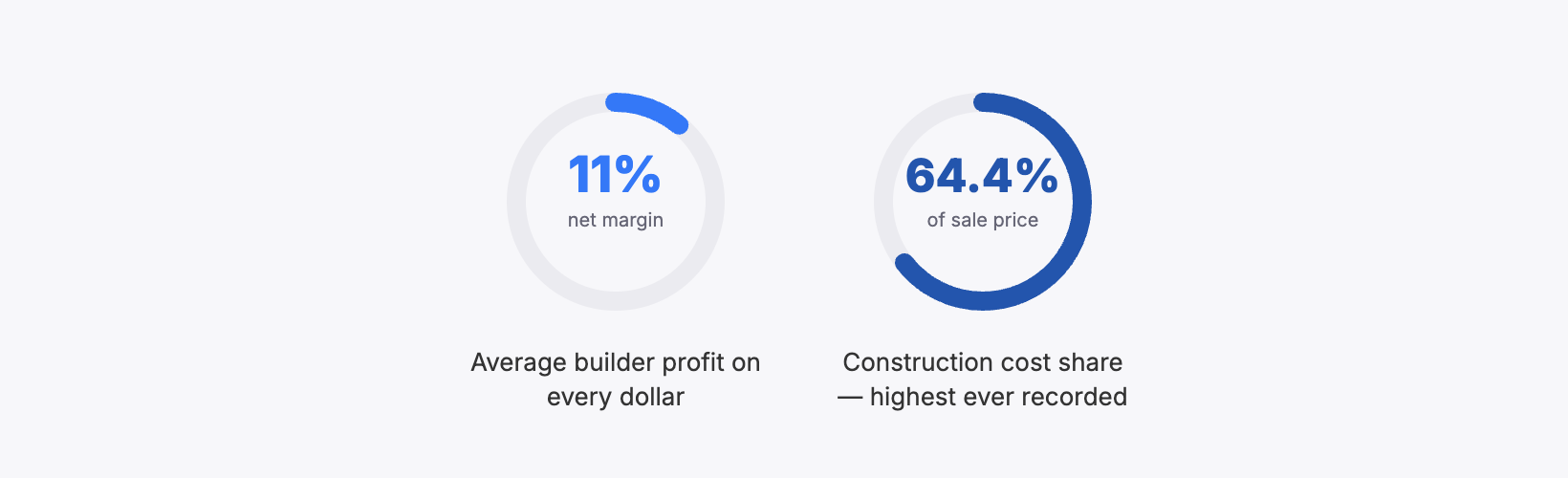
Let me share a number that should bother you more than it probably does: the average production homebuilder's net profit margin is eleven percent.
Eleven cents on every dollar. Meanwhile, construction costs now consume 64.4 percent of the average home's sale price—the highest share NAHB has recorded since it started tracking in 1998. That leaves precious little room for the stuff that actually goes wrong.
And stuff goes wrong. Every week, on every site, in ways that nobody catches until they're expensive.
Here's the part that gets me: most builders still manage their largest variable cost—site development—with windshield surveys, monthly topo flights they don't receive for weeks, and phone calls to PMs who are juggling fifteen other things. The amount of money at stake versus the quality of information informing decisions—there's a massive disconnect there.
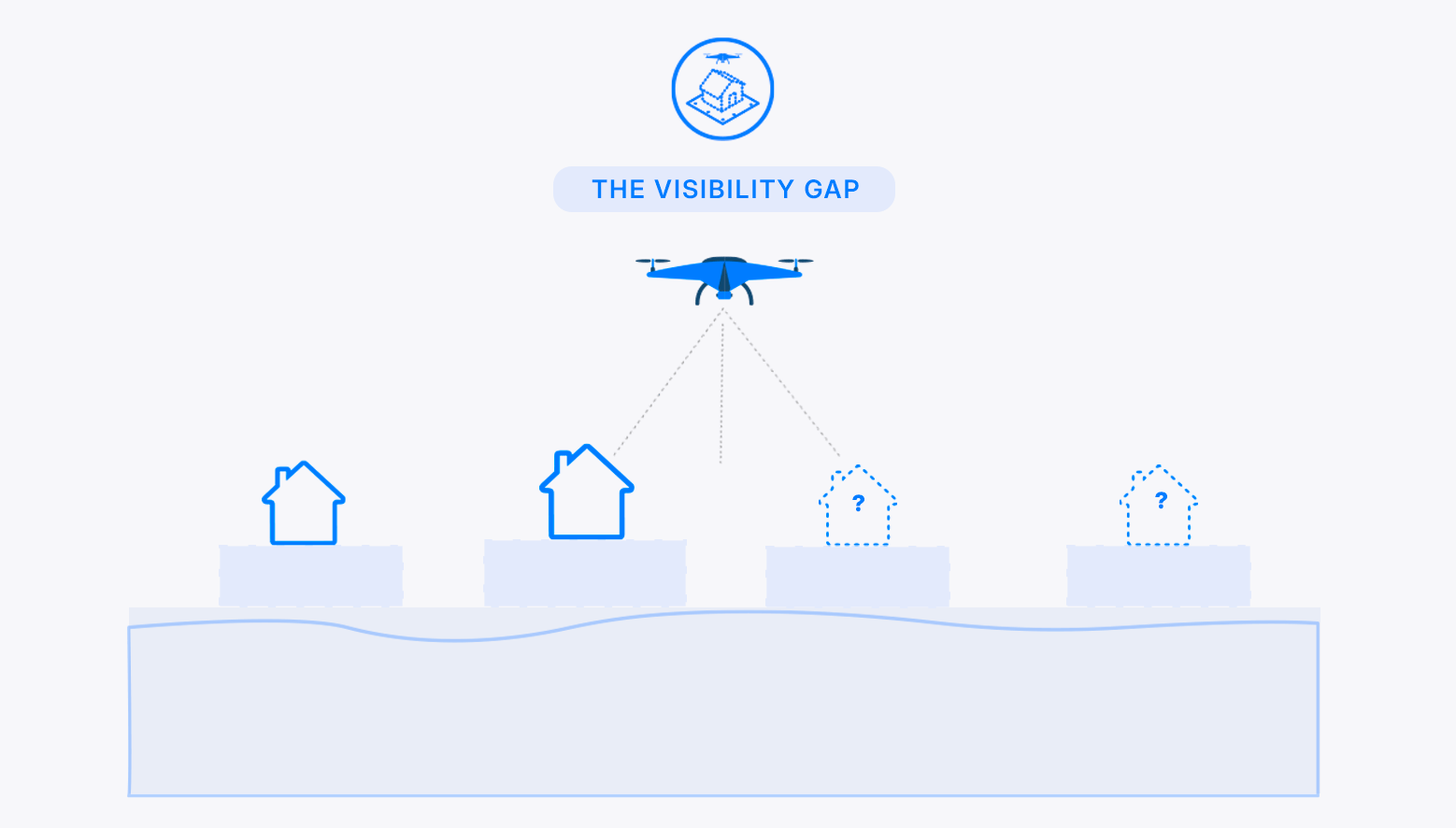
We have a name for that disconnect. We call it the visibility gap: the distance between what is actually happening on your sites and what your team believes is happening.
"It's always kind of one of those things. It's not if something goes wrong. It's when something goes wrong."
— Land development executive, in conversation with TraceAir
This ebook is about that "when." Not about technology. Not about any particular product. It's about the five ways the visibility gap costs you money, schedule, and sleep—and what operational maturity looks like on the other side. If you run sites, you'll recognize every problem in here. The question is whether you've done the math on what they're actually costing you.
Sources: NAHB Cost of Construction Survey 2024; NAHB Cost of Doing Business Study, 2025 Edition.
CHAPTER 1
The Stakes Have Changed
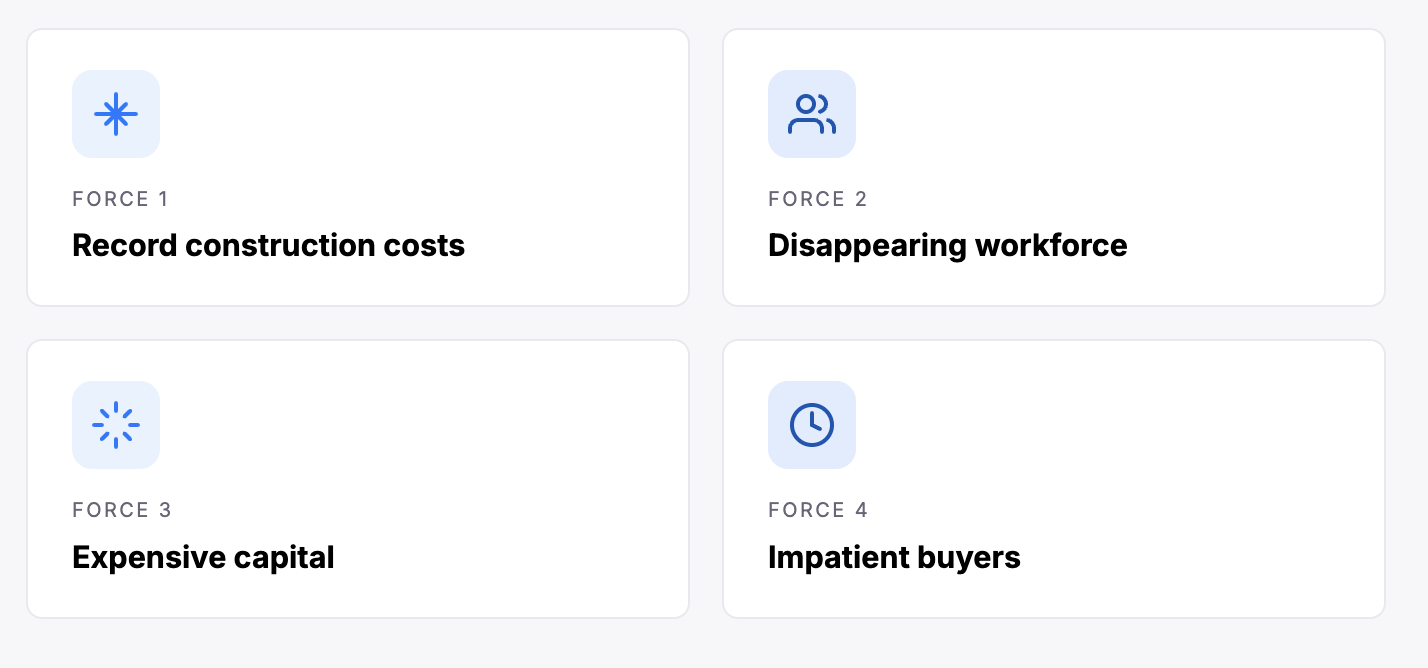
Four forces are compressing residential construction from every direction.
Production homebuilding has always been a margin business. But here's what's changed: the margin math that worked five years ago no longer holds. Four structural forces have converged, and together they've made site-level visibility an existential issue—not just an operational preference.
Force 1: Cost structures are setting records.
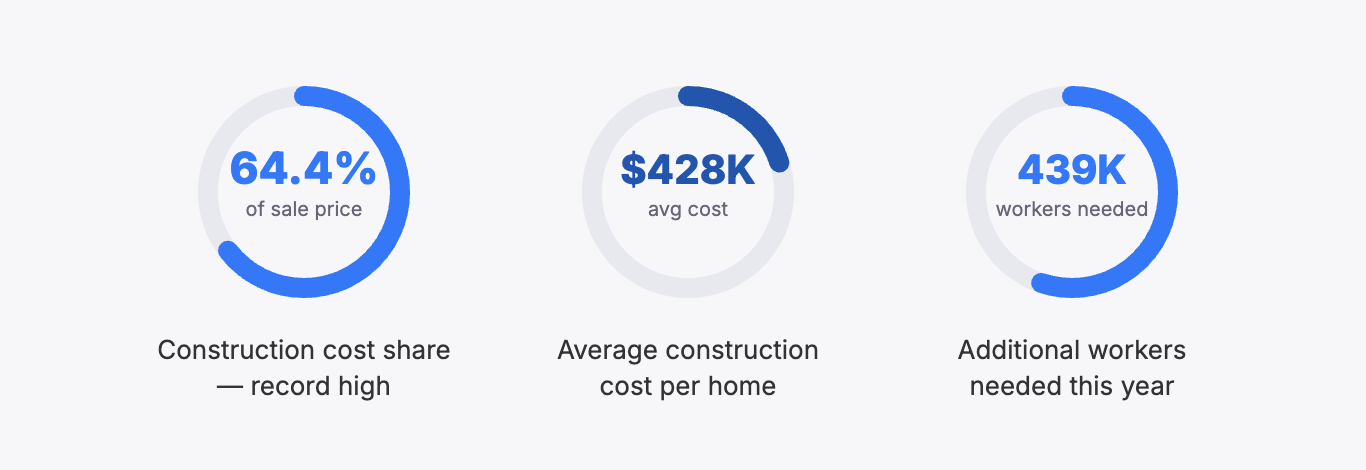
In 2024, the average cost to construct a single-family home hit $428,215—the highest figure NAHB has ever recorded. That is $162 per finished square foot on a 2,647-square-foot average home. Construction costs as a share of the sale price climbed from 60.8% in 2022 to 64.4% in 2024. Every other line item—lot costs, overhead, commission—shrank as a percentage. Construction ate them.
Force 2: The people who build your homes are disappearing.
The construction industry needs 439,000 additional workers this year alone, according to the Associated Builders and Contractors. Ninety-two percent of firms report difficulty hiring. The Home Builders Institute estimates the skilled labor shortage costs the housing industry $10.8 billion annually—$2.66 billion in carrying costs and $8.14 billion in lost production, roughly 19,000 homes that never get built.
When you cannot hire your way out of a problem, you need to see problems earlier so fewer hands can fix them before they compound.
Force 3: Capital is expensive, and investors are watching.
With borrowing costs elevated and the land-light model now standard practice among public builders, every day a lot sits in development is a day capital is stuck in dirt. Sixty-five percent of builders cited the cost and availability of developed lots as a top challenge in 2025, up from 63% in 2024.
The math is unforgiving. Three weeks of unnecessary delay on a 200-lot community means tens of thousands in incremental carrying costs. On a portfolio of communities, that number becomes material.
Force 4: The buyer will not wait.
Continue reading below by entering your email address to receive the full e-Book